Note: Information in this article mostly applies for the ongoing ESS syllabus (first assessment 2017, ending 2025). Some guidance may still apply for the new syllabus (first assessment 2026), but please carefully filter through the information in case of any differences.
Environmental Systems and Societies (ESS) is one of IB’s most intriguing subjects. An interdisciplinary subject, it combines the social science elements of Group 3 and the natural science aspect of Group 4. Its all-encompassing nature brings an extra challenge as you work on your internal assessment (IA).
What is an ESS IA All About?
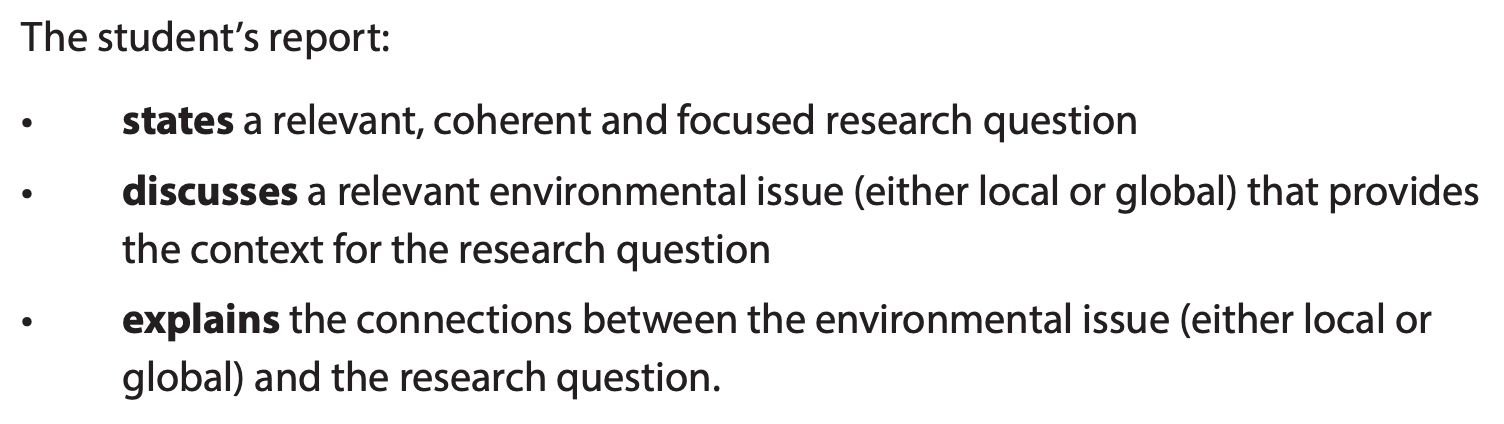
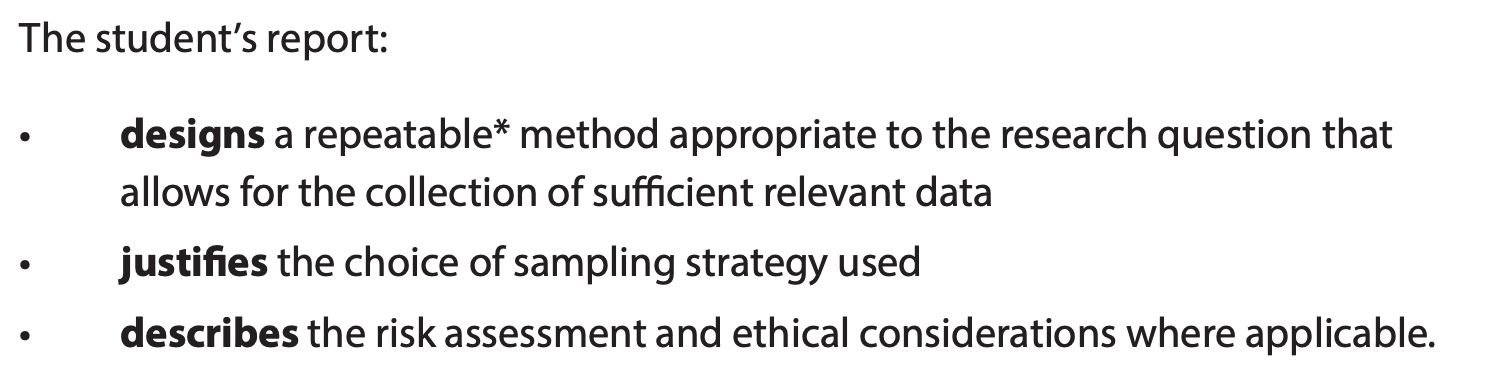
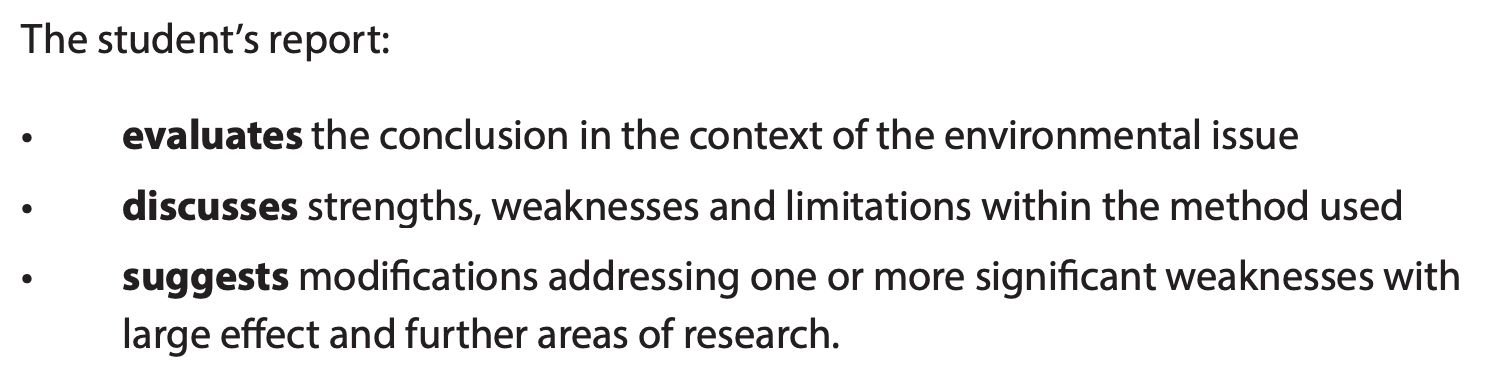
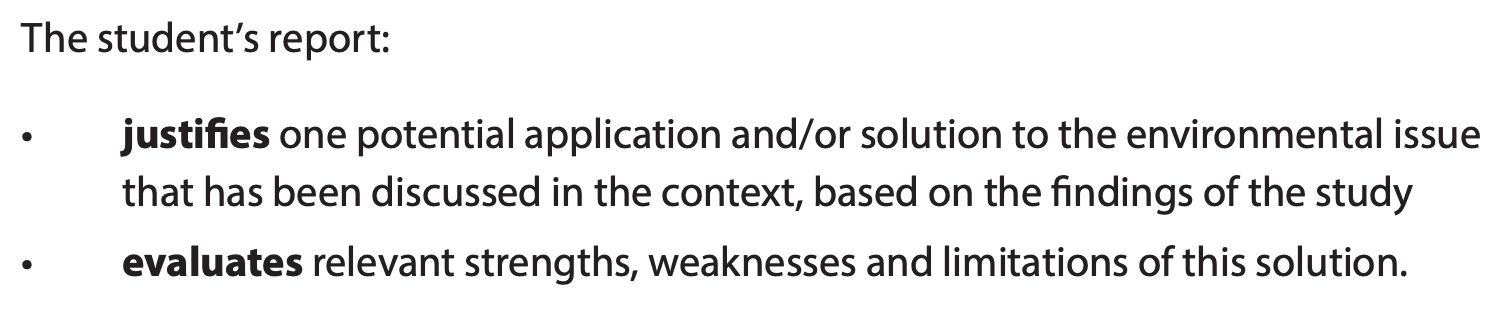
An ESS SL internal assessment involves writing a report, which will be worth 25% of the final grade. In the HL curriculum (first assessment 2026), it’ll be worth 20%. It aims to investigate a specific ESS issue and apply found results to a broad environmental and/or social context. For the current syllabus, the report must be between 1500 and 2250 words long, excluding the bibliography. In the new syllabus, you have up to 3000 words to write.
Unlike writing a Group 3 or Group 4 IA, ESS IAs have a unique set of expectations, as they mix these 2 subject groups together. This may be difficult to navigate for many students. As such, we’ll break it down step by step.
Beginning from your topic to the structure of your IA, all the way to your style of writing, let’s cover all the essentials needed to get that 7 for your ESS IA.
Deciding on Your Topic
To get started with any IA, you must decide on a topic. As the core of ESS lies in environmental studies, your topic should reflect that—by focusing on a particular environmental concern.
Per the objective of an ESS IA, your topic must not only be an environmental issue of interest to you; it should allow you to critically suggest effective applications that can address the problem in real life.
Ask yourself these critical questions as you brainstorm possible ESS IA topics:
- Which environmental issue in my syllabus needs the fixing right now?