Practice S3.2 Functional groups: Classification of organic compounds with authentic IB Chemistry exam questions for both SL and HL students. This question bank mirrors Paper 1A, 1B, 2 structure, covering key topics like atomic structure, chemical reactions, and organic chemistry. Get instant solutions, detailed explanations, and build exam confidence with questions in the style of IB examiners.
Paper
Level
Question 1
SL & HLPaper 1A
A section of an organic compound is shown.
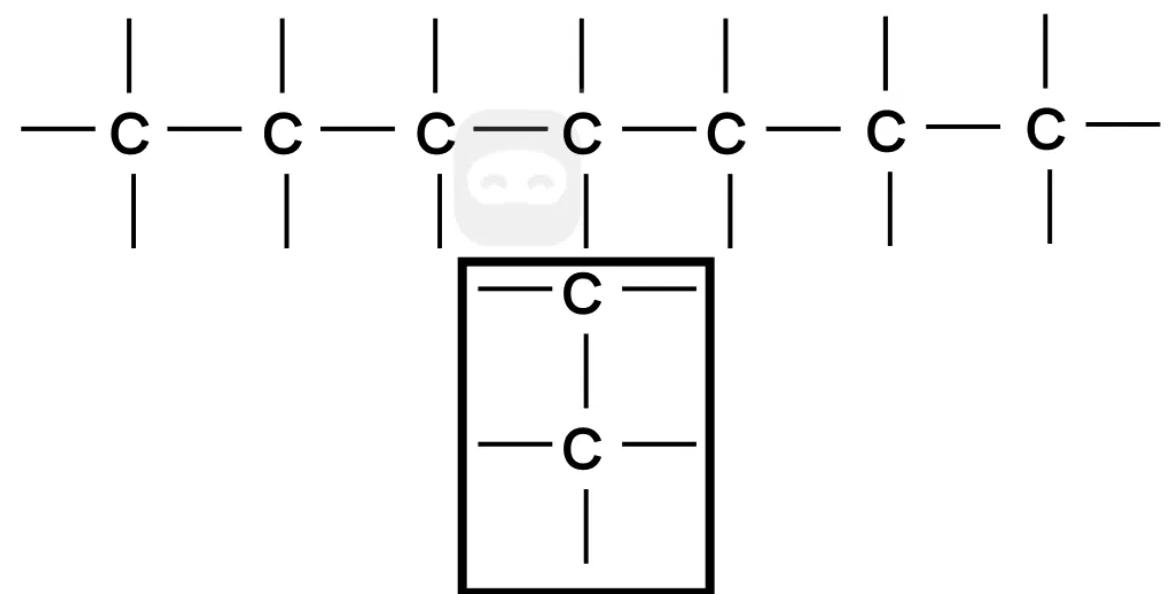
Which is the correct substituent name for the branch section?
Question 2
SLPaper 1A
Which compound can be oxidised when heated with an acidified solution of potassium dichromate(VI)?
Question 3
SL & HLPaper 1A
The full structural formula of an organic compound is shown.
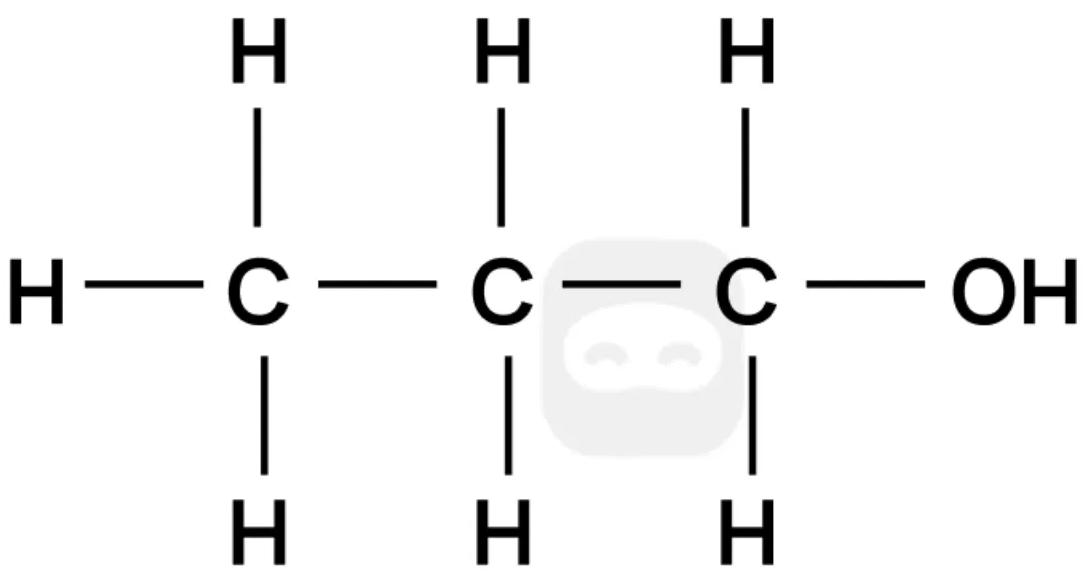
Which of the following is an isomer of the compound?
Question 4
HLPaper 1A
Which statements are correct for the molecule shown?
I. The molecule has a chiral centre
II. The molecule rotates the plane of plane-polarised light
III. The IUPAC name of the molecule is butan-1-ol
Question 5
SL & HLPaper 1A
Which of the following structures represents an ester with molecular formula ?
Question 6
SLPaper 1A
The diagram shows a reaction which occurs in the production of a polymer.
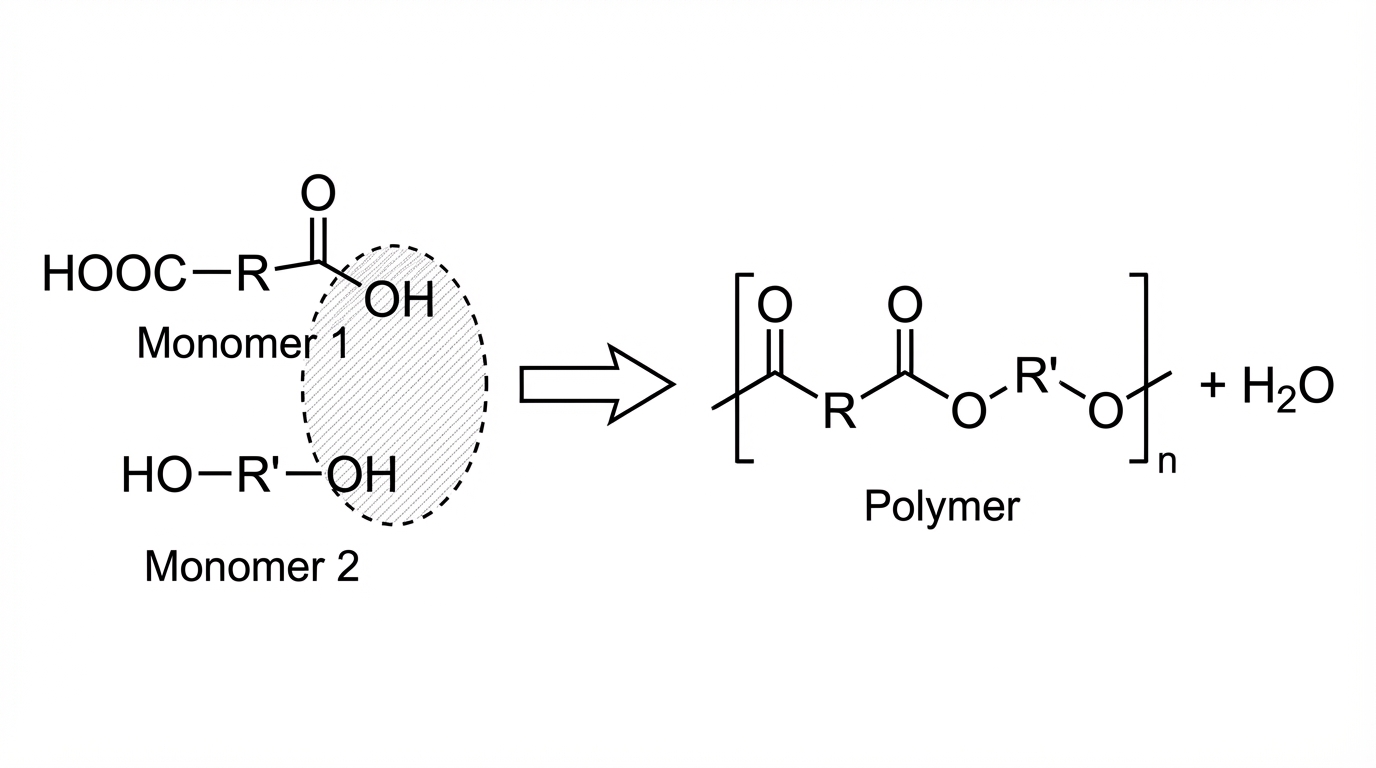
Which type of reaction is this?
Question 7
SLPaper 1A
What type of reaction is represented by the following equation?
Question 8
SL & HLPaper 1A
Which of the following compounds is not an isomer of ?
Question 9
HLPaper 1A
Which technique can be used to distinguish between the two isomers, propan-1-ol and propan-2-ol?
Question 10
SLPaper 1A
What is the IUPAC name of this molecule?