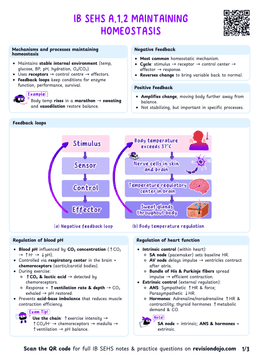
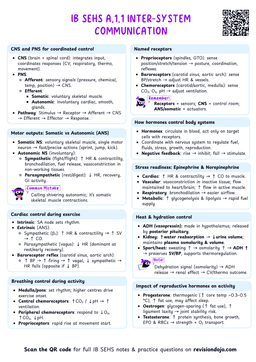
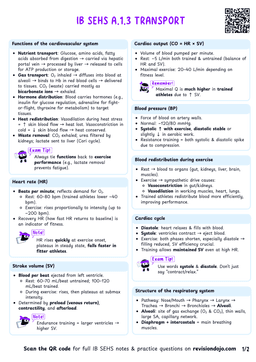
Acute and Long-Term Responses to the Environment
The human body constantly interacts with its external environment, adapting to maintain homeostasis and optimize physiological performance.
These adaptations can be classified as:
- Acute (Short-Term) Responses – Immediate physiological changes that occur within minutes to hours when exposed to environmental stressors.
- Long-Term Adaptations – Physiological adjustments that develop over days, weeks, or months in response to prolonged exposure to environmental conditions.
Heat Transfer Mechanisms in a Hot Environment
- When exposed to hot environments, the body works to maintain an optimal internal temperature (around 37 ± 1°C) by using several mechanisms of heat transfer.
- These mechanisms allow the body to either lose or gain heat, depending on the environmental conditions.
Radiation
Radiation
Transfer of heat through infrared radiation, where the body radiates heat into the surroundings or absorbs heat from warmer objects or the sun.
- Heat is transferred through infrared radiation between objects.
- The body radiates heat into the surroundings, and conversely, heat can be absorbed from the sun or surrounding objects that are warmer than the body.
- Radiation is most effective when the environmental temperature is lower than the body’s core temperature.
Conduction
Conduction
Heat transfer through direct contact with objects or surfaces. Heat is either lost to or gained from the object based on temperature differences.
- Heat transfer through direct contact with objects or surfaces.
- When the body comes into contact with a cooler object (e.g., sitting on a cold surface), it loses heat.
- However, if the object is warmer than the body (e.g., sitting on a hot metal surface), the body absorbs heat.
- Conduction is less effective compared to radiation or evaporation but still plays a role in heat transfer.
Convection
Convection
Transfer of heat through the movement of air or liquids
- The transfer of heat through the movement of air or liquid.
- Cool air passing over the skin absorbs heat from the body, and warm air can be carried away by wind or ventilation.
- When air temperature increases, the effectiveness of convection diminishes.
Evaporation
Evaporation
Cooling mechanism where sweat evaporates from the skin, absorbing heat from the body and lowering body temperature. Efficiency is affected by humidity.
- Evaporation of sweat from the skin’s surface is the primary cooling mechanism in hot environments. As sweat evaporates, it absorbs heat from the body, lowering body temperature.
- Evaporation is highly effective but depends on humidity levels. In highly humid environments, evaporation is less efficient because the air is already saturated with moisture, reducing the ability of sweat to evaporate.
In environments where humidity is high, evaporation becomes less effective, and the body may struggle to cool down, leading to the risk of heat exhaustion or heat stroke.
Acute Responses to Heat
When the body is exposed to a hot environment, it immediately activates several acute physiological responses to prevent overheating and maintain thermoregulation.
Vasodilation (Blood Flow to the Skin)
Vasodilation
The widening of blood vessels, particularly near the skin, to increase blood flow and enhance heat dissipation.
- To aid in heat loss, blood vessels in the skin dilate (a process called vasodilation), allowing a greater volume of blood to flow close to the skin surface.
- This facilitates heat transfer from the body's core to the skin, which then dissipates the heat into the environment.
- Vasodilation causes the skin to become flushed or red as more blood flows to the surface, and you may feel a sensation of warmth.
Skin becomes red or flushed when exposed to heat due to vasodilation.
Increased Sweat Production (Evaporation)
- Sweat glands are activated by the hypothalamus to produce sweat, which cools the body as it evaporates from the skin.
- The composition of sweat can vary; it consists mainly of water, salt, and electrolytes.
- Sweat is produced in larger quantities to enhance cooling in hot environments.
- If the environment is too humid, sweat may not evaporate as effectively, reducing the cooling effect.
- Sweating alone does not guarantee efficient cooling; the humidity in the environment plays a significant role in the efficiency of evaporation.
- In high humidity, sweat does not evaporate as effectively, leading to less cooling.
Increased Heart Rate and Cardiac Output
Cardiac Output
The volume of blood the heart pumps per minute.
- As the body tries to cool itself through sweating and vasodilation, the cardiovascular system is put under more strain.
- The heart rate increases, and cardiac output (the amount of blood pumped per minute) rises to deliver more blood to the skin, where heat can be dissipated.
- The body also works harder to maintain blood pressure and ensure adequate blood supply to vital organs.
Increased Respiratory Rate
Respiratory rate
The rate of breathing. In hot environments, an increased respiratory rate helps expel warm air and assist in cooling the body.
- As the body works to expel heat, respiration rate increases, helping to expel warm air and aid in heat loss.
- The respiratory system can assist in temperature regulation through convection, as the process of exhaling warm air helps cool the body slightly.
During hot weather or intense physical activity, an athlete may breathe faster to help cool the body through increased heat loss during exhalation.
- Students may confuse the increased heart rate and vasodilation with exercise responses.
- While both increase blood flow, the primary goal of these responses in hot environments is cooling, not muscle performance.
Long-Term Adaptations to Heat Exposure (Heat Acclimatization)
Acclimitization
The physiological adjustments the body makes over time in response to environmental changes such as heat, humidity, or altitude.
- With repeated exposure to hot conditions, the body undergoes long-term physiological adaptations that improve its ability to handle heat.
- These adaptations usually take 7-14 days to develop, depending on the intensity and duration of heat exposure.
Improved Sweating Efficiency
- The body becomes more efficient at sweating. Sweat is produced earlier and in larger volumes to ensure cooling starts sooner.
- Over time, the sweat becomes more dilute, conserving electrolytes and minimizing sodium loss.
- Electrolyte conservation is critical for maintaining muscle function and preventing cramping during exercise in hot conditions.
Increased Plasma Volume
Plasma
The liquid portion of the blood
- Heat exposure leads to an increase in plasma volume (the liquid portion of the blood), allowing for better blood circulation and heat dissipation.
- A higher plasma volume improves cardiovascular function, allowing the heart to pump more blood with less effort.
- This adaptation helps reduce cardiac strain during physical activity in hot environments.
Lower Resting Heart Rate
- With acclimatization, resting heart rate decreases as the cardiovascular system becomes more efficient at maintaining blood pressure and heat regulation.
- The heart becomes more efficient at pumping blood, which helps conserve energy and reduce fatigue in hot conditions.
Better Thermoregulatory Response
- Core body temperature rises less during exercise, and core temperature stabilization becomes more effective.
- The body can maintain a lower body temperature during exercise, which reduces the risk of heat exhaustion and heat stroke.
Improved Heat Tolerance
- Acclimatized individuals can tolerate higher temperatures for longer periods with a reduced risk of heat-related illnesses.
- Over time, the body increases its threshold for tolerating heat and is able to perform at higher intensities in hot conditions.
Responses to Cold Environments
Hypothermia
A condition where the body’s core temperature drops below 35°C, impairing normal physiological functions and potentially leading to severe health complications.
- Cold environments challenge the body to maintain homeostasis by regulating core temperature and preventing hypothermia (a condition where the body temperature drops below 35°C).
- The body employs both acute physiological responses and long-term adaptations to preserve heat and function effectively in cold conditions.
Acute Responses to Cold Exposure
When exposed to cold, the body activates several immediate physiological responses that are crucial for heat conservation and maintaining core body temperature.
Vasoconstriction
- Vasoconstriction is the narrowing of blood vessels, particularly in the skin (cutaneous vasculature).
- This process reduces blood flow to the extremities and redirects it towards the core organs, minimizing heat loss from the surface of the body.
- By limiting blood flow to the skin, the body conserves core heat, protecting critical internal systems like the brain, heart, and lungs.
- In extreme cold, frostnip may occur, where the skin becomes pale and numb.
- This is due to vasoconstriction, which prioritizes blood flow to the core at the expense of the skin and extremities.
- Always remember that vasoconstriction is a critical response that minimizes heat loss.
- In your answers, link this response directly to the preservation of core body temperature.
Shivering
- Shivering is an involuntary muscular activity in which muscles contract rapidly to generate heat.
- This heat is used to warm the body and combat the effects of cold exposure.
- Shivering increases metabolic rate, but also demands energy stores, leading to muscle fatigue over prolonged periods.
- Shivering is like the body "rubbing its hands together" to create warmth.
- The more intense the shivering, the more heat is produced.
Piloerection (Goosebumps)
Piloerection
Piloerection is the contraction of tiny muscles at the base of hair follicles, causing hair to stand upright.
- While this response is more effective in animals with thicker fur, humans still experience it.
- The purpose of piloerection is to trap a layer of air near the skin, which acts as an insulating barrier, reducing heat loss to the environment.
- When walking in the cold, you may notice goosebumps on your skin.
- This response is part of the body’s attempt to trap heat close to the skin surface.
Increased Metabolic Rate
- To generate more heat, the body increases its metabolic rate, particularly through non-shivering thermogenesis (a process in which the body increases heat production without muscular activity).
- This involves activation of brown adipose tissue (BAT), which plays a crucial role in heat generation.
- When exposed to cold, the body starts to burn more energy to maintain warmth.
- This is particularly noticeable in people who live in colder climates.
Long-Term Adaptations to Cold Exposure
Increased Brown Adipose Tissue (BAT) Activation
Brown Adipose Tissue
A type of fat tissue that generates heat through non-shivering thermogenesis by burning fat, especially in response to cold exposure.
- It burns fat to generate warmth, improving the body's ability to respond to cold.
- With repeated cold exposure, the body can increase the number and activity of BAT, enabling it to generate heat more efficiently.
People living in cold climates (such as Arctic regions) or athletes who train in cold environments often have higher levels of BAT, which helps them generate heat without shivering.
Enhanced Circulation to Extremities
- Long-term cold exposure leads to an improvement in blood flow to the extremities (hands, feet).
- This adaptation helps prevent frostbite and improves overall heat distribution.
- The body becomes more efficient in maintaining circulation to extremities, reducing the risk of tissue damage from cold exposure.
Frostbite
Damage to skin and underlying tissue caused by prolonged exposure to freezing temperatures, commonly affecting extremities like fingers and toes.
This adaptation is similar to upgrading your home’s heating system to distribute warmth more evenly, ensuring that no areas (extremities) remain too cold.
Improved Thermoregulatory Control
- Over time, the thermoregulatory system (which includes the hypothalamus, skin, and blood vessels) becomes better at responding to cold stress.
- The body may begin to shiver less because it becomes more adept at using non-shivering thermogenesis and improved blood flow regulation.
Cold-acclimatized athletes may report less shivering in cold conditions due to a more efficient thermoregulatory response.
Increased Insulation (Body Composition Changes)
- Prolonged exposure to cold environments may increase the body’s fat stores, particularly around the trunk and extremities.
- This additional insulation acts as a barrier to reduce heat loss from the body.
People living in cold regions, like Alaska or Siberia, often exhibit a higher percentage of body fat in regions that help reduce heat loss, aiding in cold-weather performance.
Altered Hormonal Responses
- Long-term cold exposure may lead to changes in hormonal regulation, especially regarding thyroid hormones (T3 and T4), which control metabolic rate.
- Cold adaptation can result in an increased release of these hormones, which in turn enhances the body's ability to generate heat.
In individuals adapted to cold environments, their thyroid activity may be increased, helping to maintain higher core body temperatures in colder conditions.
- Be sure to discuss the role of hormonal regulation, particularly the thyroid, when explaining long-term cold adaptations.
- Mention that these hormonal changes support long-term thermoregulation.
Strategies for Acclimatization to Cold Environments
Gradual Exposure
- Gradual acclimatization involves slowly increasing the duration of cold exposure over a period of days or weeks.
- This approach helps the body adapt without overwhelming the thermoregulatory system.
Athletes who participate in winter sports such as cross-country skiing begin with short periods of cold exposure and gradually extend their training time in cold conditions.
Appropriate Clothing and Layering
- The layering of clothing is an essential strategy for managing cold exposure.
- Layers trap heat and provide flexibility for adjusting clothing based on environmental conditions.
- Base layers (moisture-wicking) help keep skin dry.
- Insulating layers (like fleece or down) retain heat.
- Outer layers (waterproof/windproof) protect against wind and moisture.
Hydration and Nutrition
- Proper hydration and nutrition are essential to maintaining metabolic rate and energy levels.
- Cold environments can cause dehydration as the body excretes more urine due to changes in blood flow and increased heat production.
- Eating high-energy foods (such as complex carbohydrates, fats, and proteins) helps fuel the body’s heat-producing processes.
Responses to humidity
Humidity refers to the amount of moisture in the air, and its effects on the body are particularly significant because it directly influences the body’s ability to cool down through evaporation.
Acute Responses to Humidity
1. Decreased Efficiency of Sweating (Evaporation)
- In humid environments, the air is already saturated with water vapor, which reduces the ability of sweat to evaporate from the skin.
- Evaporation is the primary method of cooling the body, as it removes heat by absorbing it from the skin surface.
- However, when humidity is high, evaporation becomes less efficient because the air cannot absorb as much moisture.
- As a result, the body cannot effectively cool itself through sweating, leading to an increased risk of heat stress and heat exhaustion.
An athlete running in a hot, humid climate will sweat more, but the sweat will not evaporate as efficiently, causing the body temperature to rise more quickly than in a dry environment.
2. Increased Cardiovascular Strain
- To compensate for the reduced cooling efficiency, the cardiovascular system increases its activity.
- Vasodilation (the widening of blood vessels) occurs to allow more blood to flow to the skin, facilitating heat dissipation through radiation and convection.
- However, this increases cardiac output (the volume of blood pumped by the heart) and can lead to dehydration from excessive sweating.
- The body may experience increased heart rate and breathing rate, while blood flow is prioritized to the skin and muscles, diverting resources from non-essential systems.
An individual working outdoors in a humid environment may notice a faster heartbeat and difficulty maintaining stamina due to increased energy expenditure to regulate body temperature.
3. Fluid Loss and Dehydration
- Sweating in a humid environment leads to fluid loss, and without proper hydration, the body risks dehydration, which compromises its ability to regulate temperature and perform normal physiological functions.
- As fluid levels drop, blood volume decreases, leading to lower blood pressure, increased heart rate, and potentially heat stroke or heat exhaustion if fluids are not replenished.
A hiker in a humid climate who does not drink enough water may experience dizziness, cramps, or fatigue due to dehydration.
Long-Term Adaptations to Humidity
1. Improved Sweating Mechanism
- Over time, the body can adjust to humid conditions by improving its ability to sweat more effectively.
- This includes an increase in sweat rate, allowing the body to try and cool itself more efficiently, even in high humidity.
- The body may begin to sweat earlier and more profusely, but with reduced electrolyte loss, making it easier to regulate temperature.
Athletes who train in humid conditions over several weeks may find that they sweat more but experience less heat buildup, as their bodies have adapted to the environmental stress.
2. Increased Blood Volume
- Acclimatization to humid environments can lead to an increase in plasma volume (the liquid component of blood).
- An increase in plasma volume helps maintain cardiac output and blood pressure during heat exposure, preventing dehydration and enabling better thermoregulation.
After several weeks of exercise in a humid environment, an athlete’s heart rate may not increase as much during physical activity, and they may feel less fatigued as their body adjusts to the humidity.
3. More Efficient Electrolyte Regulation
- As the body becomes more acclimatized to humidity, it becomes better at preserving electrolytes during sweating.
- The sweat becomes more diluted, meaning that there is less sodium, chloride, and potassium loss.
- This helps the body maintain electrolyte balance and reduces the risk of heat cramps or other complications from excessive electrolyte loss.
A marathon runner training in a humid environment may experience fewer muscle cramps after acclimatizing to the conditions, due to more efficient electrolyte regulation.
Responses to Altitude
- At higher altitudes, the body faces a different set of challenges due to the reduced availability of oxygen in the air.
- The body’s immediate responses to altitude exposure are aimed at maintaining oxygen delivery to tissues and ensuring proper functioning despite lower atmospheric pressure.
Acute Responses to Altitude
1. Increased Breathing Rate (Hyperventilation)
- One of the body’s immediate responses to high altitude is hyperventilation (rapid, shallow breathing).
- This increases oxygen intake and helps to compensate for the lower oxygen levels in the air.
- However, this rapid breathing also leads to increased exhalation of carbon dioxide, which can result in respiratory alkalosis (a condition where blood pH becomes too basic).
A person arriving in the mountains may experience rapid breathing as their body tries to acquire enough oxygen in the thinner atmosphere.
2. Increased Heart Rate
- Heart rate increases at high altitude to deliver more oxygenated blood to tissues.
- The heart works harder to pump oxygen to muscles, organs, and tissues, especially during physical activity.
- This can lead to increased fatigue, as the cardiovascular system has to work harder than at sea level.
A runner training in the mountains may notice that their heart rate is significantly higher compared to training at sea level.
3. Short-Term Drop in Performance
- Due to the lower availability of oxygen, exercise performance typically declines at high altitudes, especially during intense physical activity.
- This is because the body cannot deliver sufficient oxygen to muscles for energy production, leading to quicker fatigue.
An athlete running at high altitude may experience a significant decrease in endurance and performance when compared to lower altitudes.
Long-Term Adaptations to Altitude
1. Increased Red Blood Cell Production (Erythropoiesis)
- Erythropoiesis, the production of red blood cells, is stimulated by the hormone erythropoietin (EPO), which is released by the kidneys in response to low oxygen levels in the blood.
- Over time, the body increases the number of red blood cells, improving the blood’s ability to carry oxygen to tissues.
Erythropoietin
A hormone released by the kidneys that stimulates red blood cell production in response to low oxygen levels.
After several weeks at high altitude, an athlete’s red blood cell count increases, improving their endurance and ability to perform at higher altitudes.
2. Increased Capillary Density
- Capillary density refers to the number of capillaries surrounding muscle fibers.
- At high altitude, the body adapts by increasing capillary networks to improve oxygen delivery to muscles and tissues.
- The increased number of capillaries helps enhance the efficiency of oxygen and nutrient exchange at the cellular level, improving performance during physical activity.
After several months of training at high altitude, athletes may notice improved endurance and reduced fatigue during exercise due to the greater oxygen supply to muscles.
3. Improved Oxygen Utilization
- The body’s ability to utilize available oxygen also improves over time.
- This involves changes in cellular metabolism, which help muscles use oxygen more efficiently, even when oxygen levels are lower.
- The body becomes more efficient at aerobic metabolism, allowing athletes to perform at higher intensities without as much fatigue.
Athletes who train in high-altitude conditions may perform better at sea level after adapting to the lower oxygen environment.
Altitude Training
- Altitude training refers to training at elevations above 1,500 meters (4,921 feet) above sea level, where oxygen availability is lower than at sea level.
- This method is used by endurance athletes to improve aerobic capacity and performance through physiological adaptations that enhance oxygen delivery and utilization.
Types of Altitude Training Methods
There are three main altitude training strategies used by athletes:
Live High, Train High (LHTH)
- Athletes live and train at high altitudes (e.g., 2,000–3,000 m).
- Increases red blood cell count but training intensity may suffer due to low oxygen availability.
Live High, Train Low (LHTL)
- Athletes live at high altitude (to gain adaptations) but train at lower altitudes (to maintain training intensity).
- This is the most effective strategy for endurance athletes.
Live Low, Train High (LLTH)
- Athletes live at sea level but train in altitude chambers or hypoxic tents.
- Limited benefits compared to natural altitude exposure.
LLTH is useful when natural altitude exposure is not possible, but LHTL is considered superior for endurance athletes.
Factors Affecting Responses and Adaptations to Heat, Humidity, and Altitude
- The body’s acute responses and long-term adaptations to environmental conditions such as heat, humidity, and altitude can vary significantly based on several factors.
- These factors influence how efficiently the body can cope with and adapt to these stresses, affecting performance, physiological adjustments, and recovery.
1. Training Status and Fitness Level
- Well-trained individuals adapt more quickly and efficiently to environmental stressors.
- Higher cardiovascular fitness improves thermoregulation (in heat and humidity) and oxygen efficiency (at altitude).
- Endurance athletes tend to develop physiological adaptations faster, such as improved sweating efficiency in heat and increased red blood cell production at altitude.
A marathon runner will sweat earlier and more efficiently in hot and humid conditions, while also experiencing less oxygen debt at high altitudes compared to an untrained individual.
2. Age and Sex Differences
- Older adults have a reduced sweat response and slower cardiovascular adjustments, making heat and humidity adaptation less efficient.
- Children have a higher surface area-to-volume ratio, which aids heat loss but also makes them more susceptible to dehydration and hypothermia at altitude.
- Sex differences affect thermoregulation:
- Men typically have higher sweat rates but lose more electrolytes.
- Women sweat less but start sweating at lower temperatures, conserving body fluids.
- Hormonal fluctuations in women (e.g., during the menstrual cycle) can impact heat tolerance, fluid retention, and altitude adaptation.
A postmenopausal woman may struggle more with heat adaptation due to decreased cardiovascular efficiency, whereas a trained female athlete may rely more on evaporative cooling with less fluid loss.
3. Body Composition and Surface Area-to-Volume Ratio
- Individuals with higher body fat percentages retain more heat, making them more susceptible to heat stress in hot and humid conditions.
- Lean individuals dissipate heat more efficiently due to greater surface area-to-mass ratio, aiding cooling through radiation and convection.
- At altitude, excessive muscle mass increases oxygen demand, which can hinder adaptation.
- Smaller individuals generally handle heat better, while larger individuals retain more heat but may perform better in cold conditions due to insulation.
A lean cyclist may tolerate high temperatures better than a heavyweight powerlifter, who generates and retains more heat during exertion.
4. Acclimatization Duration
- The body needs time to adjust to heat, humidity, and altitude through repeated exposure.
- Heat acclimatization can take 7–14 days, improving sweat efficiency, plasma volume, and cardiovascular stability.
- Humidity acclimatization involves increased sweat rate and earlier onset of sweating, but takes longer due to reduced evaporative cooling efficiency.
- Altitude acclimatization requires several weeks to increase red blood cell production and oxygen efficiency.
- Partial acclimatization begins within days, but full adaptation can take months, especially at extreme altitudes.
An athlete training for a high-altitude race should arrive 2–3 weeks early to allow for increased hemoglobin production and better oxygen utilization.
5. Hydration and Electrolyte Balance
- Sweating increases in heat and humidity, leading to fluid and electrolyte loss. Without proper hydration, heat cramps, exhaustion, or stroke may occur.
- At altitude, increased respiration causes fluid loss through the lungs, increasing dehydration risk.
- Sodium, potassium, and magnesium loss through sweating must be replenished to maintain muscle function and cardiovascular stability.
- Well-hydrated individuals adapt better to environmental stressors than dehydrated individuals.
A soccer player in humid conditions may experience reduced performance due to excessive fluid loss, whereas an athlete maintaining electrolyte balance will sustain endurance longer.
6. Environmental Factors
Temperature and Humidity
- High temperature and humidity reduce evaporative cooling, making heat dissipation less efficient.
- Hot, dry conditions allow better sweat evaporation, leading to more effective cooling.
Wind and Airflow
- Wind enhances heat loss by promoting convective cooling, improving thermoregulation in heat.
- In humid environments, airflow increases evaporative cooling efficiency.
Oxygen Availability at Altitude
- Higher altitudes have lower oxygen levels, requiring increased breathing rate and red blood cell production for adaptation.
- Individuals from low-altitude regions take longer to acclimatize compared to those from high-altitude areas.
Runners training in cool, dry conditions will experience less cardiovascular strain than those training in hot, humid environments, where sweat evaporation is limited.
7. Clothing and Equipment
- Lightweight, breathable fabrics aid heat dissipation in hot and humid conditions.
- Moisture-wicking materials help manage sweat evaporation and prevent overheating.
- At altitude, insulated clothing is essential to prevent hypothermia, as temperatures are lower.
- Protective gear (e.g., helmets, padding) in sports can increase heat retention and impair cooling mechanisms.
A long-distance runner wearing a dark, heavy jersey in humid conditions will experience faster overheating than one wearing a light-colored, breathable fabric.
8. Nutrition and Diet
- Carbohydrate intake supports endurance and performance by maintaining muscle glycogen stores in extreme conditions.
- Iron-rich foods are essential for red blood cell production, aiding altitude adaptation.
- Salt and electrolyte intake are crucial in hot and humid conditions to replace lost minerals.
- Fat metabolism increases at altitude, as oxygen demand shifts energy utilization.
A mountaineer consuming iron-rich foods like red meat before an expedition will enhance hemoglobin production, improving oxygen transport at high altitudes.
Nature of the Activity and Environmental Impact
Aerobic Activities
- Aerobic activities (e.g., running, cycling, swimming) are more sensitive to temperature and altitude because they require prolonged oxygen delivery to muscles.
- At high altitudes, the lower oxygen levels can significantly impact aerobic performance by reducing the amount of oxygen available to muscles.
- In hot and humid conditions, the body's ability to cool itself through evaporation of sweat is impaired, which increases the risk of heat exhaustion and limits endurance performance.
Anaerobic Activities
- Anaerobic activities (e.g., sprinting, powerlifting, high-intensity interval training) are less impacted by environmental factors but may still experience performance decline due to heat stress.
- Heat can cause muscle fatigue faster, limiting explosive power in activities requiring high-intensity efforts in short durations.
A marathon runner will be significantly affected by altitude and humidity, while a sprinter may be able to perform well despite heat, since the anaerobic nature of sprinting doesn't rely as heavily on oxygen.
Strategies for Supporting Performance
Various strategies can be used to support an athlete's performance under environmental stressors.
Acclimatization
- Acclimatization is the process of gradually adjusting to extreme environmental conditions.
- It can take from 7 to 14 days to acclimatize to heat, while acclimatizing to altitude may take several weeks.
- Acclimatization helps improve sweat response, cardiovascular efficiency, red blood cell production, and thermoregulatory control.
- For heat acclimatization, athletes should practice in hot conditions regularly to stimulate the sweat response and increase plasma volume.
- For altitude acclimatization, individuals should gradually increase exposure to higher elevations to boost red blood cell count.
Hydration Strategies
- In hot and humid conditions, maintaining proper hydration is essential for maintaining performance and preventing heat-related illnesses.
- Drinking water with electrolytes helps replenish lost minerals and maintains muscle function.
- Pre-hydration before an event can help ensure the body is adequately prepared to handle sweating and fluid loss during exercise.
- Think of hydration like fueling a car.
- If you don’t have enough fuel, the engine (your muscles) won’t perform efficiently.
- Similarly, without adequate hydration, your performance will suffer.
Failing to hydrate before physical exertion and only drinking water during or after can result in dehydration, leading to early fatigue and heat-related illnesses.
Equipment
- In hot weather, lightweight, breathable clothing allows for better sweat evaporation and helps with cooling.
- In cold weather, athletes should wear thermal layers to prevent heat loss and protect muscles and joints.
A long-distance runner in a hot environment benefits from breathable fabrics that help keep sweat evaporating, whereas a ski athlete benefits from thermal layers.
Nutrition Strategies
- Carbohydrate loading can help endurance athletes prepare for long-duration events by ensuring glycogen stores are maximized.
- Iron-rich foods (e.g., red meat, spinach) are crucial for altitude adaptation as they support hemoglobin production.
- Electrolyte replacement drinks ensure that sodium and potassium levels are maintained during sweating, preventing muscle cramps and maintaining cardiovascular function.
A long-distance runner racing in hot conditions may need to focus on pre-race hydration and consume carbohydrates during the race to prevent early fatigue.
- How does vasodilation help regulate body temperature in a hot environment?
- What are the acute physiological responses to heat exposure, and how do they help maintain homeostasis?
- Explain the concept of heat acclimatization. What are the physiological adaptations that occur with repeated heat exposure?
- How do body composition and training status affect heat tolerance?
- Describe how clothing choices can influence an athlete’s performance in extreme temperatures.
- How does body composition (fat stores) influence an individual’s ability to withstand cold conditions?
- What is the role of hydration in maintaining performance in hot and humid environments?