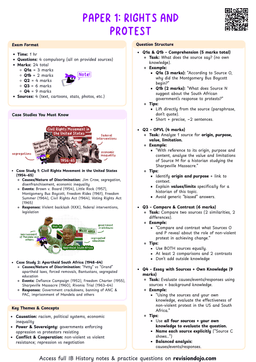
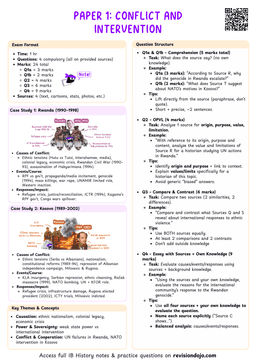
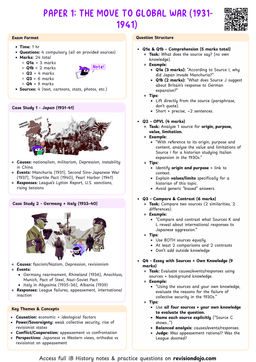
The Collapse of the Soviet Union and the End of the Cold War
The Role of Gorbachev: Perestroika and Glasnost
- Perestroika (Restructuring)
- Economic Reforms: Aimed to decentralize the economy and introduce market-like reforms.
- Challenges: Reforms were slow and met with resistance, leading to economic instability.
- Glasnost (Openness)
- Political Reforms: Encouraged transparency and freedom of expression.
- Impact: Exposed systemic corruption and inefficiencies, fueling public discontent.
Perestroika focused on economic restructuring, while Glasnost aimed to increase political transparency. Together, they unintentionally accelerated the Soviet Union's collapse by exposing deep-rooted issues.
The Role of the American Administration and the Arms Race
- Renewed Arms Race
- Strategic Defense Initiative (SDI): Proposed by President Reagan, it pressured the Soviet economy.
- Economic Strain: The USSR struggled to keep up with military spending.
- Diplomacy and Negotiation
- INF Treaty (1987): Eliminated intermediate-range nuclear missiles.
- Shift in Strategy: The U.S. combined military pressure with diplomatic engagement.
When analyzing the arms race, consider how economic strain from military spending contributed to the Soviet Union's collapse.
Economic Problems Within the USSR
- Centralized Economy
- Inefficiency: State-controlled industries lacked innovation and productivity.
- Debt and Shortages: The USSR faced mounting debt and severe shortages of consumer goods.
- Reforms and Their Consequences
- Law on State Enterprises (1988): Allowed some autonomy but led to chaos as enterprises struggled without state support.
- Commission on Economic Reform (1989): Proposed changes but lacked effective implementation.
Economic problems were a major driving force behind Gorbachev's reforms, but these changes often exacerbated existing issues.
The Role of "People Power" and Nationalism
- Eastern Europe
- Poland: The Solidarity movement challenged Soviet control.
- East Germany: The fall of the Berlin Wall symbolized the collapse of Soviet influence.
- Within the USSR
- Baltic States: Lithuania, Latvia, and Estonia pushed for independence.
- Caucasus and Central Asia: Nationalist movements gained momentum.
It's a common misconception that Gorbachev's reforms alone led to the Soviet Union's collapse. In reality, nationalist movements and public dissent played a crucial role.
The Unexpected Collapse
- Lack of Prediction
- Surprise to All: Intelligence agencies and political leaders did not foresee the rapid collapse.
- Peaceful Transition: Despite the upheaval, the end of the Cold War was largely non-violent.
Think of the Soviet Union as a massive iceberg. Gorbachev's reforms were like cracks forming on the surface. While they aimed to reshape the structure, they ultimately revealed deep fractures that led to the entire iceberg breaking apart.
How do we balance the roles of individual leaders, such as Gorbachev, with broader social and economic forces in explaining historical events?
- Causation: What were the primary factors that led to the Soviet Union's collapse?
- Perspective: How did different stakeholders (e.g., Soviet citizens, Western leaders) view the end of the Cold War?
- Change: How did the collapse of the Soviet Union reshape the global political landscape?