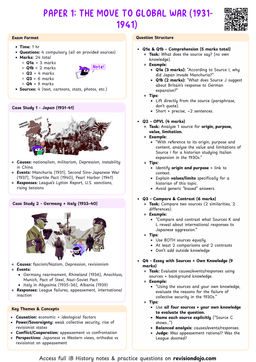
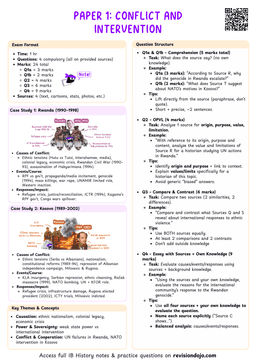
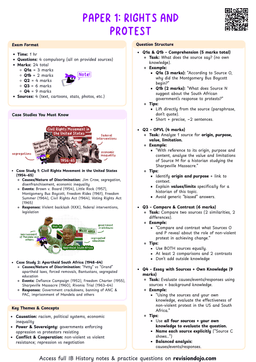
North Korean Success (June–Sept 1950): The KPA (North Korean Army) captured Seoul within days and pushed US/UN forces all the way back to the Pusan Perimeter in the southeast corner of the peninsula.
The Turning Point - Inchon (Sept 1950): General Douglas MacArthur launched a risky amphibious assault at Inchon (behind enemy lines). This cut North Korean supply lines, allowing UN forces to retake Seoul and push north.
Crossing the 38th Parallel (Rollback): US policy shifted from "containment" (restoring the border) to "rollback" (unifying Korea). UN forces advanced toward the Yalu River (the border with China).
Chinese Intervention (Oct–Nov 1950): Threatened by US troops on their border, 300,000 Chinese troops ("People's Volunteers") attacked. They utilized human wave tactics and the harsh winter to drive UN forces back south of the 38th parallel.
Note
The war is often described as a "seesaw" because the front line moved rapidly up and down the peninsula before settling into a stalemate near the original border.
The Truman-MacArthur Controversy (1951)
Unlock the rest of this chapter with aFreeaccount
Nice try, unfortunately this paywall isn't as easy to bypass as you think. Want to help devleop the site? Join the team at https://revisiondojo.com/join-us. exercitation voluptate cillum ullamco excepteur sint officia do tempor Lorem irure minim Lorem elit id voluptate reprehenderit voluptate laboris in nostrud qui non Lorem nostrud laborum culpa sit occaecat reprehenderit
Definition
Paywall
(on a website) an arrangement whereby access is restricted to users who have paid to subscribe to the site.
anim nostrud sit dolore minim proident quis fugiat velit et eiusmod nulla quis nulla mollit dolor sunt culpa aliqua
Lorem ipsum dolor sit amet, consectetur adipiscing elit. Sed do eiusmod tempor incididunt ut labore et dolore magna aliqua. Ut enim ad minim veniam, quis nostrud exercitation ullamco laboris nisi ut aliquip ex ea commodo consequat.
Duis aute irure dolor in reprehenderit
Duis aute irure dolor in reprehenderit in voluptate velit esse cillum dolore eu fugiat nulla pariatur. Excepteur sint occaecat cupidatat non proident, sunt in culpa qui officia deserunt mollit anim id est laborum.
Note
Lorem ipsum dolor sit amet, consectetur adipiscing elit, sed do eiusmod tempor incididunt ut labore et dolore magna aliqua. Ut enim ad minim veniam quis nostrud exercitation.
Excepteur sint occaecat cupidatat non proident
Nemo enim ipsam voluptatem quia voluptas sit aspernatur aut odit aut fugit, sed quia consequuntur magni dolores eos qui ratione voluptatem sequi nesciunt. Neque porro quisquam est, qui dolorem ipsum quia dolor sit amet, consectetur, adipisci velit.
Tip
Lorem ipsum dolor sit amet, consectetur adipiscing elit, sed do eiusmod tempor incididunt ut labore et dolore magna aliqua. Ut enim ad minim veniam, quis nostrud exercitation ullamco laboris nisi ut aliquip ex ea commodo consequat.
Lorem ipsum dolor sit amet, consectetur adipiscing elit.
Sed do eiusmod tempor incididunt ut labore et dolore magna aliqua.
Ut enim ad minim veniam, quis nostrud exercitation ullamco laboris.
Duis aute irure dolor in reprehenderit in voluptate velit esse cillum.
End of article
Want a cheatsheet?
View a summary cheatsheet for Cold War Crises - Korean War (1950-1953)
Flashcards
Remember key concepts with flashcards
15 flashcards
What does 'significance' mean in a historical context?
Lesson
Recap your knowledge with an interactive lesson
6 minute activity
Note
The Prague Spring: A Turning Point in Eastern Europe
In 1968, Czechoslovakia embarked on a bold path of reform under the leadership of Alexander Dubček.
This period, known as the Prague Spring, aimed to create "socialism with a human face" by introducing liberalizing policies such as:
Freedom of speech and press
Economic reforms based on consumer demand
Increased autonomy for the Slovak minority
DefinitionPrague SpringA period of political liberalization in Czechoslovakia during 1968, aiming to create a more humane form of socialism.
NoteThe Action Programme of April 1968 outlined these reforms, emphasizing a distinct Czechoslovak path to socialism while remaining loyal to Marxism-Leninism.
ExampleImagine a company allowing employees to choose their own projects while still following overall company goals. This analogy reflects the Prague Spring's approach to socialism.