Definition
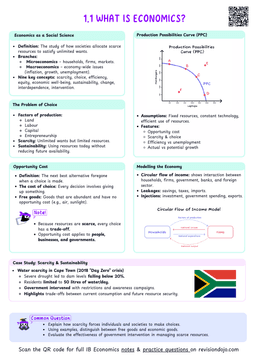
Managed Exchange Rate
System where the exchange rate is mainly determined by market forces, but the central bank occasionally intervenes to keep it close to a desired level.
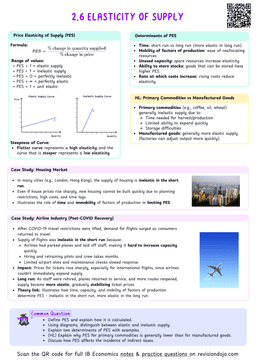
- The way a managed exchange rate system works is that the authorities aim to keep the exchange rate near its long-term equilibrium by:
- Buying or selling domestic currency and using foreign reserves.
- Central banks may also adjust interest rates to influence currency flows.
- The main reason for managing exchange rates is to prevent large fluctuations that could disrupt a country’s economic activity.
Pegging Exchange Rates
Definition
Pegging Currency
Pegging currency means the central bank sets and maintains the value of the domestic currency relative to another currency.
- A common way of managing exchange rates is by pegging a currency to another.
- In this system, the central bank keeps the domestic currency fixed at the chosen level by buying and selling foreign reserves
- If demand increases, the central bank sells domestic currency.
- If demand decreases, the central bank buys domestic currency.
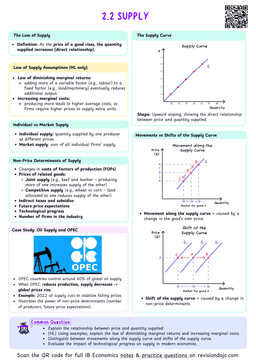
As shown in the diagram:
- The euro is pegged to the USD.
- Initially, 1 euro = 2 USD.
- The central bank sets boundaries between 1 and 3.
- The currency is free to float within this range.
- If the price rises above 3 or falls below 1, the central bank intervenes to prevent further fluctuations.
Overvalued and Undervalued Currencies
Overvalued
Definition
Overvalued Currency
Where the value of a currency is kept higher than its equilibrium level by government or central bank intervention.
- An overvalued currency makes imports cheaper, and some countries may deliberately maintain this to reduce the cost of foreign goods for their domestic economy.
- However, it can have significant disadvantages:
- Expensive exports: Higher export prices reduce foreign demand, lowering (X–M) and contracting the economy.
- Trade deficit: With exports becoming less competitive and imports cheaper, demand shifts toward imports, causing a trade deficit.
- Domestic producers worse off: Increased imports allow more efficient foreign producers to outcompete local firms, harming domestic industries.
Example
- In the early 2010s, the Swiss franc became heavily overvalued as investors treated it as a safe-haven currency during the Eurozone debt crisis.
- The strong franc made Swiss exports (like watches and machinery) very expensive abroad, hurting exporters.
- To address this, in 2011 the Swiss National Bank intervened by capping the franc’s value against the euro.
Undervalued
Definition
Undervalued Currency
Situation where the currency’s value is kept lower than its equilibrium level, making exports cheaper and imports more expensive.
- An undervalued currency makes exports cheaper, increasing foreign demand for them.
- As a result, (X–M) rises, shifting aggregate demand (AD) to the right and promoting economic growth.
- However, an undervalued currency makes imports more expensive, raising the cost of production for firms that rely on imported inputs.
- This leads to cost-push inflation, as higher production costs are passed on to consumers.
Example
- For much of the 2000s, China was widely accused of keeping the yuan undervalued to make its exports cheaper on global markets.
- This policy boosted China’s export-led growth and supported rapid economic expansion, but it also led to tensions with trading partners like the United States, which faced growing trade deficits.