Leveraging Global Expansion for Growth
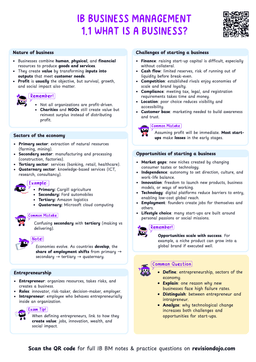
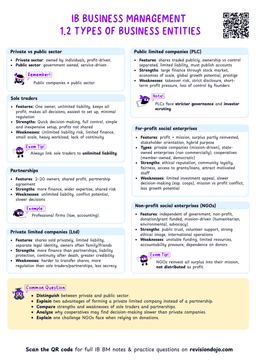
- Jojo owns a successful local coffee shop.
- Business is thriving, and Jojo is considering opening new locations in other cities or even countries.
- But why expand globally? What benefits could it bring?
Global expansion can unlock immense growth opportunities for businesses of all sizes.
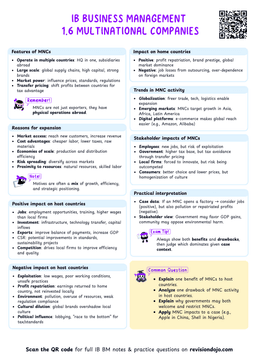
Market Expansion: Access to Larger Customer Bases
Why Expand?
- Increased Revenue Potential: Tapping into new markets means reaching more customers, which can significantly boost sales.
- Untapped Markets: Many regions have unmet needs or less competition, offering fertile ground for growth.
A U.S.-based tech company entering the Asian market can access billions of potential customers, driving exponential growth.
How to Succeed in New Markets
- Conduct Market Research: Understand local consumer preferences, cultural nuances, and purchasing behaviors.
- Adapt Products and Services: Tailor offerings to meet the specific needs of each market.
- Build Local Partnerships: Collaborate with local distributors or retailers to establish a strong presence.
- Think globally, act locally.
- Adapting your strategy to each market's unique characteristics is key to success.
Economies of Scale: Lowering Costs Through Global Operations
Economies of scale
Economies of scale occur when a business's average cost per unit decreases as its production scale increases.
Global expansion amplifies this effect by spreading fixed costs over a larger volume of sales.
Recall that economics of scale was covered in 1.5.1
A car manufacturer with factories in multiple countries can source materials in bulk, reducing costs and increasing competitiveness.
Benefits of Economies of Scale
- Cost Efficiency: Lower production and distribution costs lead to higher profit margins.
- Competitive Pricing: Reduced costs enable businesses to offer more attractive prices, gaining a competitive edge.
- Avoid assuming that economies of scale automatically apply to all aspects of your business.
- Some costs, like marketing or logistics, may increase with global expansion.
Diversification: Spreading Risks Across Regions
Diversification
Diversification refers to a strategy where a company expands its product offerings, markets, or industries to reduce risk and increase growth opportunities.
Why Diversify?
- Risk Mitigation: Operating in multiple regions reduces dependence on a single market, protecting against economic downturns or political instability.
- Stability: Diversification ensures that challenges in one market don't derail the entire business.
A fashion brand with stores in Europe, Asia, and North America can offset losses in one region with gains in another.
How to Achieve Diversification
- Strategic Market Selection: Choose markets with varying economic cycles to balance risks.
- Product Adaptation: Offer products that cater to different regional preferences and needs.
- Diversification is not just about geography.
- Consider diversifying your product lines to further reduce risk.
Brand Recognition: Building a Global Identity
The Power of a Global Brand
- Enhanced Brand Equity: A strong international presence boosts brand recognition and credibility.
- Customer Loyalty: Consistent branding across markets fosters trust and loyalty among global consumers.
- Think of brands like Nike or Apple.
- Their logos are instantly recognizable worldwide, reinforcing their status as industry leaders.
Strategies for Building a Global Brand
- Consistency: Maintain a unified brand message while adapting to local cultures.
- Leverage Digital Channels: Use social media and e-commerce to reach global audiences effectively.
How does a brand's global presence influence consumer perceptions? Consider the role of cultural differences in shaping brand identity.
Access to Resources: Leveraging Global Opportunities
Why Source Internationally?
- Cost Savings: Access to cheaper raw materials or labor in certain regions can significantly reduce production costs.
- Specialized Expertise: Some markets offer unique skills or technologies that enhance product quality or innovation.
A tech company might establish a research center in Silicon Valley for innovation while manufacturing in Asia to reduce costs.
How to Optimize Resource Access
- Strategic Location Selection: Choose locations based on resource availability and cost-effectiveness.
- Build Strong Supply Chains: Establish reliable networks to ensure smooth operations across borders.
- Consider the long-term sustainability of your resource strategy.
- Ethical sourcing and environmental responsibility are increasingly important to consumers.
Challenges of Global Expansion
- While the benefits are compelling, global expansion also presents challenges:
- Cultural Differences: Misunderstanding local customs or preferences can hinder success.
- Regulatory Compliance: Navigating foreign laws and regulations requires careful planning.
- Logistical Complexities: Managing supply chains and distribution networks across borders can be daunting.
- What are the top three benefits of global expansion?
- How would you address the challenges associated with each?
- How do ethical considerations, such as fair labor practices or environmental sustainability, influence decisions about global expansion?
- Should businesses prioritize these factors over cost savings?