Employee Strategies
1. Collective Bargaining
Collective bargaining
Collective bargaining is a process where employees, often represented by trade unions, negotiate with employers to improve wages, benefits, and working conditions.
- Collective bargaining can lead to structured, long-term solutions.
- However, it may fail if employers refuse to negotiate.
In Germany, trade unions have successfully used collective bargaining to secure higher wages and better working conditions for workers in the automotive industry.
2. Work-to-Rule
Work-to-rule
Work-to-rule is a form of industrial action where employees strictly adhere to their job descriptions, refusing to perform any additional tasks or work overtime.
There's a low risk of job loss, but is less impactful than strikes.
During a dispute with management, nurses in the UK worked-to-rule by only performing essential duties, highlighting their critical role in patient care.
3. Strike Action
Strike action
Strike action involves employees withdrawing their labor entirely, halting production or services to pressure employers into meeting their demands.
- Strike action is a strong leverage tool,
- But can cause financial loss for employees and disrupt essential services.
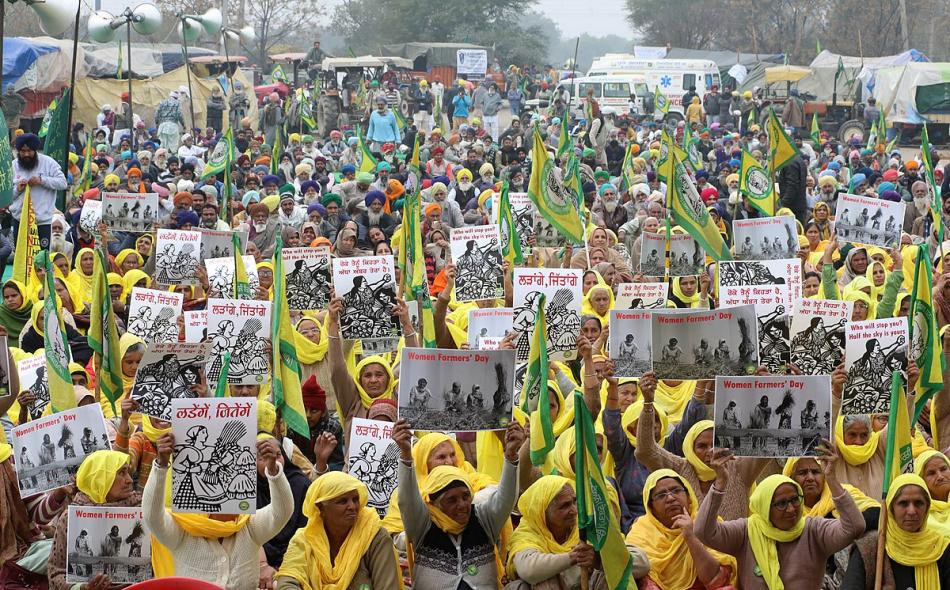
- In 2020, Indian farmers organized a massive strike, supported by millions of workers, to protest against new agricultural laws.
- The strike led to negotiations and eventually the repeal of the laws.
Students often assume that strikes always lead to positive outcomes for employees. However, prolonged strikes can weaken a business, leading to job losses even if demands are met.
Employer Strategies
1. Collective Bargaining
- Employers also engage in collective bargaining, using experienced negotiators to reach agreements with employee representatives.
- This maintains positive employer-employee relationships.
- Yet, it may require financial concessions.
In the UK, the National Health Service (NHS) regularly engages in collective bargaining with healthcare unions to address issues like pay and working hours.
2. Threats of Redundancies
Employers may threaten redundancies to pressure employees into accepting unfavorable terms.
During the COVID-19 pandemic, many businesses in the hospitality industry threatened layoffs to negotiate lower wages or reduced hours with employees.
Threatening redundancies can backfire if employees call the bluff or if the business cannot afford the costs associated with layoffs.
3. Changes of Contract (“Fire and Rehire”)
- Employers may use tactics like "fire and rehire", where employees are dismissed and rehired under new terms.
- This allows businesses to adjust labor costs but may result in legal action and reputational damage.
In 2021, several UK companies faced backlash for using fire and rehire tactics to reduce employee benefits during the pandemic.
4. Closure and Lockouts
Lockouts
Lockouts involve temporarily closing operations to pressure employees, while closures permanently shut down the business.
Locks can force resolution but there is typically high financial and reputational risks associated with it.
In New Zealand, NZ Bus used a lockout to force employees to accept new contracts, causing significant disruption to public transportation.
Lockouts and closures are high-risk strategies that can damage a business's reputation and long-term viability.
Successful Conflict Resolution: Southwest Airlines
- Southwest Airlines faced labor disputes over pilot and flight attendant pay.
- Instead of resorting to threats, the company engaged in collective bargaining and mediation, leading to a deal that balanced employee satisfaction with financial stability.
Failed Conflict Resolution: Ryanair Pilot Strikes
- Ryanair initially refused to recognize unions, leading to widespread pilot strikes across Europe.
- The airline was eventually forced to negotiate, but its reputation suffered, and operational disruptions led to financial losses.
Employers who engage in proactive negotiation and mediation often avoid prolonged disputes that damage brand reputation.
Comparing Employee & Employer Strategies
| Strategy | Used By | Effectiveness | Risks |
|---|---|---|---|
| Collective Bargaining | Employees & Employers | High if both parties cooperate | Risk of deadlock if neither side concedes |
| Work-to-Rule | Employees | Low-risk, steady pressure | Limited impact compared to strikes |
| Strikes | Employees | High leverage if well-organized | Loss of income, job security risk |
| Threats of Redundancies | Employers | Can pressure employees | Damages trust, leads to low morale |
| Fire & Rehire | Employers | Restructures costs quickly | Legal risks, employee backlash |
| Lockouts | Employers | Forces decisions | Severe reputational and financial damage |
- Consider a workplace conflict you've read about or experienced.
- What strategies did employees and employers use?
- Were they effective? Why or why not?