Privately Held Companies
- You and a few friends start a successful online business selling eco-friendly products.
- As the business grows, you face a decision: should you keep the company private or go public to raise more money?
What Are Privately Held Companies?
Privately held companies
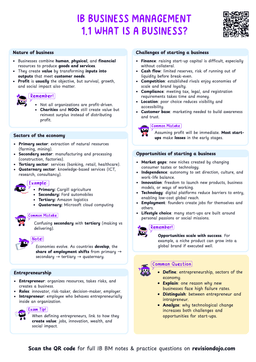
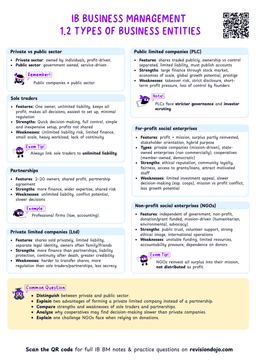
Privately held companies are businesses owned by a small group of shareholders, such as families, founders, or private investors.
Unlike publicly held companies, their shares are not traded on public stock exchanges.
Key Features of Privately Held Companies
1. Limited Liability
- Shareholders are protected by limited liability, meaning they can only lose the money they invested in the company.
- Their personal assets are not at risk if the business faces financial difficulties.
- Imagine a family-owned restaurant operating as a privately held company.
- If the restaurant incurs debts, the owners' personal savings or property remain protected.
2. Restrictions on Share Transfers
- Shares in privately held companies cannot be freely sold or traded.
- Transfers often require approval from other shareholders, ensuring control remains within a trusted group.
A family business might restrict share sales to family members only, preventing outsiders from gaining ownership.
3. No Public Disclosure Requirements
- Privately held companies are not required to disclose financial information publicly.
- It allows them to maintain privacy over their operations and strategies.
4. Fewer Regulatory Requirements
- These companies face fewer regulations compared to publicly held companies.
- It reduces administrative burdens and costs.
Why Do Businesses Choose to Remain Private?
1. Control and Flexibility
- Owners retain full control over decisions.
- In such cases, there is no interference from external shareholders or public scrutiny.
A tech startup might prefer to stay private to make quick decisions on product development without seeking shareholder approval.
2. Privacy
- Remaining private allows companies to keep financial and strategic information confidential.
- It also protects them from competitors.
3. Long-Term Focus
- Privately held companies can prioritize long-term goals over short-term profits
- This is because they are not pressured by quarterly earnings reports.
Mars Inc., the global confectionery giant, remains privately held to focus on long-term sustainability and innovation rather than short-term shareholder returns.
4. Avoiding Costs and Complexity
- Going public involves significant costs, such as legal fees and ongoing compliance with regulatory requirements.
- Staying private avoids these expenses.
Case Study: IKEA
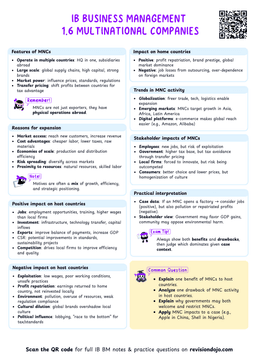
- IKEA is a well-known example of a privately held company.
- Founded in Sweden, IKEA is owned by a complex network of foundations and holding companies, ensuring it remains private.
Why Does IKEA Stay Private?
- Control: The Ingvar Kamprad family retains control over the company's strategic direction.
- Long-Term Vision: IKEA focuses on sustainability and affordability, which may not align with short-term shareholder expectations.
- Privacy: Remaining private allows IKEA to keep its financial performance and strategic initiatives confidential.
- How does IKEA's private ownership structure influence its ability to pursue sustainability initiatives?
- Could a publicly held company achieve the same level of commitment?
Challenges of Being a Privately Held Company
1. Limited Access to Capital
- Privately held companies cannot raise funds by selling shares to the public.
- This may limit their ability to finance large-scale growth or expansion.
A family-owned manufacturing business may struggle to raise capital for a new factory without taking on significant debt.
2. Restricted Share Liquidity
- Shareholders may find it difficult to sell their shares, as there is no public market for them.
- This can make it challenging to attract investors who seek liquidity.
3. Succession Planning
- Privately held companies often face challenges in planning for leadership transitions.
- This is especially the case in family-owned businesses.
- A common misconception is that privately held companies cannot raise capital at all.
- While they cannot sell shares publicly, they can still seek funding from private investors, venture capitalists, or banks.
How does the balance between privacy and transparency in privately held companies reflect broader ethical considerations about accountability and responsibility in business practices?
- How would you maintain control and flexibility in your business while also planning for future funding needs?
- What steps would you take to ensure shareholder privacy and long-term focus while still attracting key investors?