Blood Flow Adjusts to Activity Through Vasoconstriction and Vasodilation
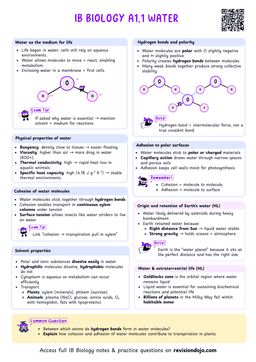
- The distribution of blood is regulated by the contraction or relaxation of smooth muscle in arteriole walls:
- Vasoconstriction: Circular muscles contract, narrowing the blood vessels and reducing blood flow to specific organs.
- Vasodilation: Circular muscles relax, widening the blood vessels and increasing blood flow to target tissues.
Note
In some cases, shunt vessels bypass capillary networks to redirect blood quickly between arterioles and venules.
Hint
These processes are regulated by the autonomic nervous system and hormones like adrenaline.
Blood Supply Prioritizes Muscles During Vigorous Exercise
- When engaging in intense physical activity, your body prioritizes oxygen delivery to muscles and energy conservation:
- Skeletal Muscles: Blood flow greatly increases to deliver oxygen and glucose for sustained contractions and ATP production.
- Digestive System: Blood flow decreases as digestion is temporarily paused.
- Kidneys: Reduced blood flow lowers the glomerular filtration rate, conserving energy.
- Brain: Blood supply increases slightly to ensure proper oxygen and glucose delivery for focus and coordination.
Hint
By prioritizing skeletal muscles, the body ensures optimal performance while maintaining essential brain functions.
Blood Supply Shifts to Support Rest During Wakeful Rest
- When the body is at rest but awake, blood distribution reflects maintenance priorities:
- Skeletal Muscles: Blood flow is moderate, supporting postural stability and light activities.
- Digestive System: Blood flow varies, increasing during digestion to support nutrient absorption and decreasing when the gut is inactive.
- Kidneys: Blood flow is at its maximum, maintaining waste filtration and fluid balance.
- Brain: A steady blood supply ensures cognitive function and neural activity.
Note
Blood distribution during rest supports digestion and waste removal while maintaining brain activity.
Blood Flow Slows for Repair During Sleep
- During sleep, the body enters a conservation and repair state:
- Skeletal Muscles: Blood supply is minimal, as muscles are mostly inactive.
- Digestive System: Blood flow remains variable, increasing only if digestion is still ongoing.
- Kidneys: Reduced blood flow minimizes urine production, conserving water and energy.
- Brain: Blood supply increases during REM sleep to support toxin removal and memory consolidation.
Common Mistake
- It's a common misconception that the brain's blood supply decreases during sleep.
- In fact, it often increases to support critical processes like toxin clearance.
Hormones Adjust Blood Flow Based on Activity
- The body uses hormones like adrenaline and noradrenaline to regulate blood distribution:
- Adrenaline: Increases heart rate and causes vasodilation in skeletal muscles, enhancing oxygen delivery during exercise.
- Noradrenaline: Promotes vasoconstriction in non-essential areas, conserving blood for high-priority organs.
Hint
Hormonal regulation ensures blood is directed to areas of immediate need, especially during stress or activity.
Blood Redistribution Balances Competing Needs
- The body constantly balances organ demands to maintain function:
- Exercise Example: While skeletal muscles demand more blood, the brain’s oxygen supply remains steady for critical coordination and focus.
- Long-Term Adaptations: Regular exercise increases capillary density in muscles, improving their ability to receive and use blood efficiently.
Theory of Knowledge
- How does the body's ability to redistribute blood reflect the balance between efficiency and adaptability?
- Consider how this might relate to other systems, such as resource allocationin ecosystems.