Meiosis Produces Four Haploid Nuclei from One Diploid Nucleus
Definition
Meiosis
Meiosis is a type of cell division that reduces the chromosome number by half, producing four genetically distinct haploid cells. This process occurs in gamete-producing cells and is essential for sexual reproduction.
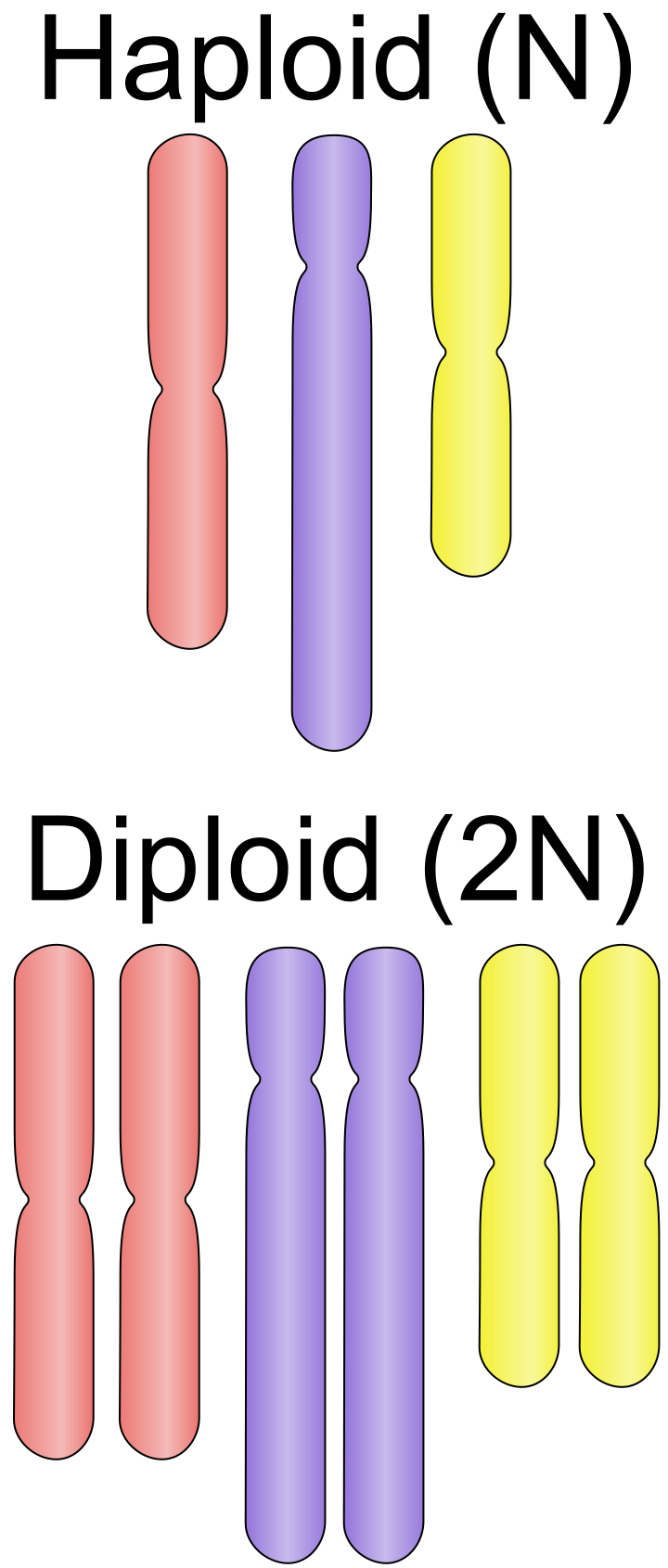
- Diploid cells contain two complete sets of chromosomes (one from each parent).
- Haploid cells contain one complete set of chromosomes.
- This reduction prevents chromosome doubling when gametes fuse during fertilization.
- There are two stages to meiosis.
Meiosis I: Reduction Division
Meiosis I separates homologous chromosomes, pairs of chromosomes with the same genes in the same order but potentially different alleles.
- Prophase I:
- Homologous chromosomes pair up during synapsis, forming structures called bivalents.
- Crossing over occurs when non-sister chromatids exchange genetic material, creating new allele combinations.
- Metaphase I:
- Bivalents align at the cell's equator.
- Each bivalent's orientation is random—a process called independent assortment that increases genetic diversity.
- In humans with 23 chromosome pairs, independent assortment alone can produce over 8 million possible combinations (2²³).
- Anaphase I:
- Homologous chromosomes separate and move to opposite poles.
- This halves the chromosome number from diploid to haploid.
- Sister chromatids remain attached (unlike in mitosis).
- Telophase I and Cytokinesis:
- The cell divides into two haploid cells.
- Each cell contains one chromosome from each homologous pair.
Meiosis II: Separation of Sister Chromatids
Meiosis II resembles mitosis but starts with haploid cells.
- Prophase II: Chromosomes condense and spindle fibers form.
- Metaphase II: Chromosomes align at the equator. Spindle fibers attach to kinetochores on each chromatid.
- Anaphase II: Sister chromatids separate and move to opposite poles.
- Telophase II and Cytokinesis: The two cells divide, producing four haploid cells with unique genetic compositions.
Why Meiosis Is Essential for Sexual Reproduction
- Prevents chromosome doubling: Haploid gametes ensure that fertilization restores the diploid number rather than doubling it each generation.
- Generates genetic variation: Crossing over during Prophase I and independent assortment during Metaphase I create unique combinations of alleles in each gamete.
- This variation is the raw material for evolution and adaptation.
Self review
Outline the two rounds of chromosome segregation in meiosis and explain why meiosis is called a "reduction division."