DNA Stability Maintains the Integrity of Genetic Information
- During transcription, DNA serves as a stable template for synthesizing RNA.
- The DNA base sequence does not change during transcription, even though it is used repeatedly as a template.
- In somatic cells that do not divide (e.g., nerve cells, muscle cells), the DNA sequence must remain conserved throughout the entire life of the cell.
Note
- Somatic cells are all the cells in your body except sperm and egg cells.
- These cells do not pass genetic information to offspring but must maintain their DNA to function properly.
How DNA Maintains Stability During Transcription
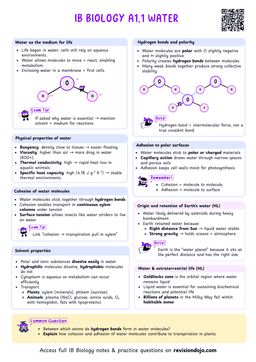
DNA maintains its stability through three key mechanisms.
1. Temporary Unwinding of the Double Helix
- During transcription, the DNA double helix unwinds only in the region where RNA polymerase is active.
- This unwinding is temporary and localized, minimizing the exposure of DNA to potential damage.
Hint
The DNA strands re-anneal (rejoin) immediately after RNA polymerase passes, restoring the stable double-helix structure.
2. Hydrogen Bonding and Complementary Base Pairing
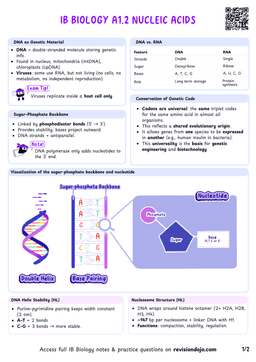
- DNA’s stability relies on hydrogen bonds between complementary bases (A-T and C-G).
- These bonds ensure that the two strands of DNA remain tightly paired.
Example
During transcription, RNA polymerase temporarily separates the strands, but the hydrogen bonds quickly reform once the enzyme moves along the DNA.
3. Proofreading and Repair Mechanisms
- DNA is equipped with sophisticated repair mechanisms that correct errors, such as mismatched bases or chemical damage.
- These systems help maintain the DNA sequence even after repeated transcription events.
Note
While RNA polymerase does not have proofreading abilities like DNA polymerase, the DNA itself is protected by repair enzymes that fix errors after transcription.
Why DNA Stability Matters in Somatic Cells
- Somatic cells, such as nerve or muscle cells, often do not divide after reaching maturity.
- In these cells, the DNA must remain stable for their entire lifespan, which can be decades in humans.
Hint
If mutations accumulate in somatic cells, they can lead to malfunctioning proteins, contributing to diseases like cancer or neurodegenerative disorders.
Self review
- Why is the stability of DNA templates critical during transcription?
- How do hydrogen bonds contribute to the stability of DNA?
- What mechanisms do cells use to repair DNA damage?