Sensory Neurons Deliver Input to the Spinal Cord and Brain for Rapid Responses
- Imagine touching a hot stove. Instantly, you pull your hand away.
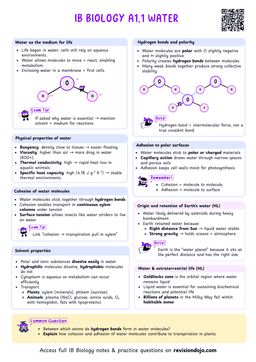
- How does your body react so quickly? The answer lies in the nervous system, specifically sensory neurons.
Sensory neuron
Sensory neurons are specialized cells that transmit information from the environment to the central nervous system (CNS), enabling the body to respond to stimuli.
How Sensory Neurons Work
- Detection of Stimuli: Receptors in the skin, eyes, ears, and other organs detect changes in the environment, such as temperature, light, sound, or pressure.
- Transmission of Signals: Once a stimulus is detected, the receptor generates an electrical signal called a nerve impulse. This impulse travels along the axon of the sensory neuron toward the CNS.
- Integration in the CNS: The sensory neuron enters the CNS, either through the spinal cord or directly into the brain via cranial nerves. The CNS processes the information and determines an appropriate response.
Cerebral Hemispheres Process Sensory Input and Generate Conscious Responses
The brain’s cerebral hemispheres are responsible for processing sensory information and generating conscious responses.
- Structure: The cerebral hemispheres are divided into specialized regions, such as the visual cortex, auditory cortex, and somatosensory cortex.
- Function: Sensory neurons transmit signals to these regions via cranial nerves or through the spinal cord. The brain interprets the signals and coordinates complex responses.
The spinal cord handles automatic responses, while the cerebral hemispheres process conscious sensations and allow for complex reactions.
Pathways of Sensory Input
1. Input to the Spinal Cord (Reflex Pathway)
- Some sensory signals do not need to reach the brain before a response occurs.
- Instead, they are processed directly in the spinal cord, triggering reflex actions (e.g., withdrawing your hand from a hot surface).
- This provides faster reaction times to protect the body from harm.
2. Input to the Cerebral Hemispheres (Conscious Perception)
- Sensory information that requires awareness, interpretation, or decision-making is sent to the cerebral cortex for processing.
- For example, when you see an object, sensory neurons in your eyes transmit signals to the visual cortex in the brain, allowing you to recognize and react accordingly.
Think of sensory neurons as reporters sending news to a headquarters:
- Some urgent reports (like danger) go straight to the spinal cord for immediate action (like a breaking news alert).
- Other reports are sent to the cerebral hemispheres for detailed analysis and conscious decision-making.
Types of Sensory Receptors
Sensory neurons rely on specialized receptors to detect different types of stimuli:
- Mechanoreceptors: Detect pressure, touch, and vibration (e.g., in the skin).
- Photoreceptors: Detect light (e.g., rods and cones in the retina).
- Chemoreceptors: Detect chemical changes (e.g., taste buds, olfactory receptors).
- Thermoreceptors: Detect temperature changes.
- Nociceptors: Detect pain.
Receptors can be located in specialized organs (e.g., eyes, ears) or distributed throughout the body (e.g., skin receptors).
The CNS Integrates Sensory Input to Coordinate Responses
The CNS integrates sensory input to produce coordinated responses. This process involves:
- Signal Reception: Sensory neurons transmit impulses to the CNS.
- Processing: The brain or spinal cord interprets the information.
- Response Generation: The CNS sends signals to effectors (muscles or glands) to execute a response.
Hearing a Loud Noise
- Sound waves are detected by receptors in the ear, and signals are sent to the auditory cortex.
- The brain processes the sound and may trigger a startle reflex.
Why Sensory Neurons Matter
Sensory neurons are essential for survival. They enable organisms to:
- Detect and respond to environmental changes.
- Maintain homeostasis by monitoring internal conditions (e.g., blood pressure, temperature).
- Interact with the world through senses like sight, hearing, and touch.
- How do sensory neurons contribute to the concept of consciousness?
- Could a machine ever replicate the sensory processing abilities of the human brain?
- What is the role of sensory neurons in the nervous system?
- How does sensory information reach the spinal cord vs. the cerebral hemispheres?