Traditional Methods of Measuring Pulse
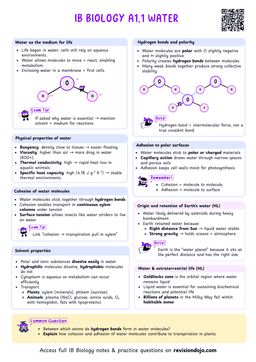
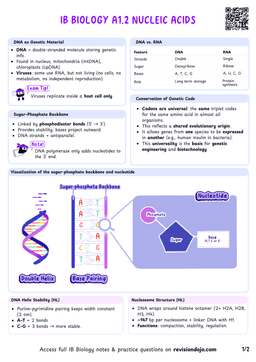
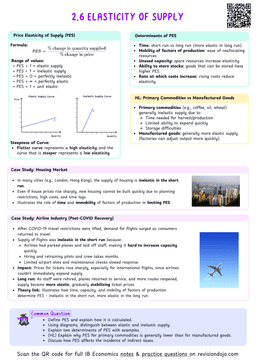
- Every heartbeat sends a surge of blood through your arteries, creating a pressure wave that travels along the walls of these vessels.
- When this wave reaches areas where arteries are close to the surface of your skin, such as your wrist or neck, you can feel it as a pulse.
- Each pulse corresponds to one heartbeat, so counting your pulse is a direct way to determine your heart rate.
Definition
Pulse
A pulse is the pressure wave created by each heartbeat as blood travels through arteries near the skin’s surface.
1. Radial Pulse (Wrist)
- Location: The radial artery, located on the thumb side of your wrist.
- Steps:
- Place two or three fingertips (not your thumb) lightly on the underside of your wrist, just below the base of your thumb.
- Press gently until you feel the rhythmic beats of your pulse.
- Count the number of beats for 30 seconds and multiply by two to calculate beats per minute (bpm). For greater accuracy, count for a full minute.
2. Carotid Pulse (Neck)
- Location: The carotid arteries, found on either side of your neck near your windpipe.
- Steps:
- Place two fingertips on the side of your neck, just below your jawline and to the side of your windpipe.
- Press lightly until you feel the pulse.
- Count the beats as described above.
Digital Methods of Measuring Pulse
- Advancements in technology have made pulse measurement more convenient and precise.
- Devices like pulse oximeters and fitness trackers offer automated ways to monitor your heart rate.
Pulse Oximeters
- Pulse oximeters are small, clip-like devices that attach to your fingertip.
- They use red and infrared light to measure changes in blood volume with each heartbeat, allowing them to calculate your pulse rate.
- In addition to heart rate, pulse oximeters also measure blood oxygen saturation, providing a more comprehensive view of your cardiovascular health.
Fitness Trackers and Smartwatches
- Wearable devices like fitness trackers and smartwatches use optical sensors to measure your pulse through your wrist.
- These tools often provide continuous heart rate monitoring and can store data for long-term analysis.
- Fitness trackers are especially useful for monitoring heart rate during activities like exercise or sleep, where manual pulse measurement may be challenging.
Comparing Traditional And Digital Pulse Measurement Techniques
| Aspect | Traditional Methods | Digital Methods |
|---|---|---|
| Accuracy | Accurate when performed correctly | Highly accurate with advanced sensors |
| Convenience | Requires manual counting | Automatic and continuous |
| Cost | Cost-free (no equipment needed) | Can be expensive |
| Application | Best for occasional checks | Ideal for long-term monitoring and exercise |
| Potential for Error | Human error prone (miscounting, inconsistent technique) | Minimal error due to automation |