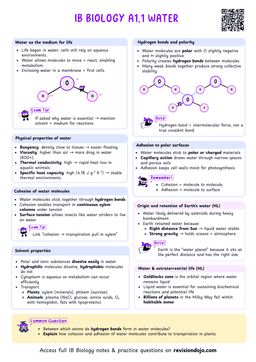
Tissue Fluid Enables Cellular Exchange
- The exchange of substances between tissue fluid and cells is a critical process that ensures cells receive nutrients and oxygen.
- Simultaneously, waste products are removed for excretion.
Plasma: The Blood’s Transport Medium
Definition
Plasma
The liquid component of blood, consisting mostly of water, proteins, and other substances.
- Plasma makes up 55% of blood and carries nutrients, gases, hormones, and waste.
- It’s mainly water (90-92%) but also contains:
- Water (90%): The major component, acting as a solvent and transport medium.
- Plasma Proteins (7%): Includes albumin, globulins, and fibrinogen. These proteins help maintain osmotic pressure, immune defense, and blood clotting.
- Nutrients (1%): Glucose, amino acids, and lipids.
- Electrolytes: Sodium, potassium, chloride, and calcium, which help regulate fluid balance and nerve function.
- Waste Products: Urea, creatinine, and carbon dioxide are carried to excretory organs like the kidneys and lungs.
- Hormones: Chemical messengers that regulate body functions.
Hint
Plasma proteins, particularly albumin, play a crucial role in generating osmotic pressure, which helps retain water in the bloodstream.
Tissue Fluid Is The Link Between Blood and Cells
- Tissue fluid (interstitial fluid) forms when plasma leaks out of capillaries, bathing cells in nutrients and oxygen.
- It’s similar to plasma but lacks large plasma proteins.
- The composition of tissue fluid includes:
- Water: Makes up most of the tissue fluid and provides a medium for the transport of nutrients and waste.
- Nutrients: Such as oxygen, glucose, and fatty acids, which are provided to the cells.
- Waste Products: Such as carbon dioxide and urea, which are transported away from the cells.
- Electrolytes: Including ions like sodium, potassium, and chloride, which are also present in plasma and maintain osmotic balance.
- Proteins (lower concentration): Tissue fluid contains fewer proteins than plasma, as proteins are too large to pass freely through capillary walls. T
Key Differences Between Plasma and Tissue Fluid
| Characteristic | Plasma | Tissue fluid |
|---|---|---|
| Definition | The liquid component of blood, containing water, proteins, hormones, nutrients, and waste products. | The fluid surrounding cells in tissues, derived from plasma but lacking proteins and cells. |
| Location | Found in blood vessels (within the circulatory system). | Found in the interstitial spaces between cells in tissues. |
| Main Components | Water, proteins (e.g., albumin, fibrinogen), electrolytes, nutrients, hormones, gases, waste products. | Water, electrolytes, nutrients, waste products, but lacks proteins like albumin and fibrinogen. |
| Protein Content | High in proteins (especially albumin, globulins, and fibrinogen). | Low in proteins (primarily water and dissolved ions). |
| Role | Transports nutrients, hormones, and waste products; helps in immune responses (through antibodies) and clotting (through fibrinogen). | Provides nutrients and removes waste from cells; facilitates the exchange of gases and metabolites between cells and blood. |
Note
Plasma proteins remaining in the blood create an osmotic gradient that draws water back into capillaries at the venule end.
Exchange of Substances Between Tissue Fluid and Cells
Tissue fluid allows diffusion, osmosis, and active transport to move substances between capillaries and cells.
Substances Delivered to Cells
- Oxygen – diffuses in (used in respiration).
- Nutrients:
- Glucose – absorbed via sodium-glucose cotransporters.
- Amino acids – taken up by active transport for protein synthesis.
- Minerals & Ions – enter through ion channels.
Substances Removed from Cells
- Carbon dioxide – diffuses out (waste from respiration).
- Metabolic waste:
- Urea – moves into tissue fluid → blood → kidneys.
- Lactic acid – transported to the liver for processing.
Example
- During exercise, muscle cells rapidly absorb glucose and oxygen from tissue fluid while releasing carbon dioxide and lactic acid.
- This exchange supports increased cellular respiration and energy production.
Common Mistake
- Students often confuse tissue fluid with plasma or lymph.
- Remember, tissue fluid is plasma that has leaked out of capillaries, while lymph is tissue fluid that has entered lymphatic vessels.
Why This Matters
Disruptions in tissue fluid exchange can lead to:
- Edema – swelling due to fluid buildup (caused by poor drainage or high pressure).
- Ischemia – low oxygen supply to tissues (can result from blocked blood flow).
Theory of Knowledge
How do societal factors like access to healthcare influence the treatment of conditions related to tissue fluid imbalance, such as lymphedema or edema?
Self review
What is the primary difference in composition between plasma and tissue fluid?