How Unspecialized Cells Become Specialized
- Fertilization is when a sperm cell fuses with an egg cell to form a zygote, which contains the entire genetic blueprintfor a new organism.
- The zygote undergoes multiple rounds of mitosis, creating a cluster of genetically identical cells.
- Early embryonic cells are totipotent, meaning they can become any cell type in the organism or the extra-embryonic tissues (e.g., placenta).
- Cells then transition to pluripotent stem cells, which can form any cell type within the organism but not extra-embryonic structures.
Note
Totipotent cells are unique to the earliest stages of development, while pluripotent cells persist in the inner cell mass of the blastocyst.
Differentiation: From Potential to Function
Definition
Differentiation
Differentiation is the process where pluripotent cells (unspecialized cells) develop into specialized cells with unique structures and functions.
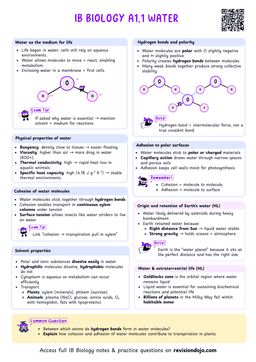
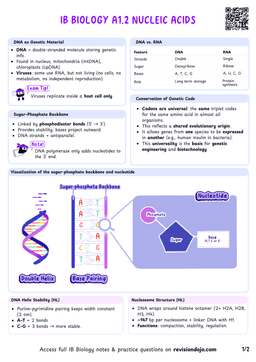
- Although each cell has the same genome, different sets of genes are activated in different cell types, defining their structure and role (e.g., neurons, muscle fibers, red blood cells).
- Proteins or regulatory factors turn specific genes on or off, guiding the cell toward its specialized fate.
Analogy
- Think of gene expression as a playlist on a music streaming app.
- Every cell has access to the same library of songs (the genome), but each cell “plays” a different playlist depending on its role in the organism.
The Role of Gradients in Gene Expression
- Gradients of signaling molecules (morphogens) diffuse through the embryo, creating varying concentrations in different regions.
- A cell’s location within the embryo (based on morphogen concentration) determines which genes are activated, influencing cell fate.
Example
- In the fruit fly (Drosophila), gradients of morphogens such as Bicoid and Nanos regulate body segmentation.
- These gradients ensure that cells in the head region develop differently from cells in the abdomen.
Morphogen Gradients Guide Spatial Organization and Tissue Differentiation in Embryos
- Different morphogen concentrations ensure that neighboring cells develop into different tissues.
- Regions with unique morphogen profiles generate specialized structures (e.g., heart, brain) in the correct location.
- Like instruments in an orchestra, each cell follows a unique “score” of morphogen signals, preventing developmental chaos.
Hint
- Gradients are just one of many mechanisms guiding differentiation.
- Other factors, such as direct cell-to-cell interactions and mechanical forces, also play a role in shaping development.
The Journey to Specialization: From Totipotency to Differentiation
- Totipotency: The zygote and very early embryonic cells can form all cell types plus extra-embryonic tissues, this is referred to as totipotency.
- As the embryo develops, cells lose the ability to form extra-embryonic tissues but can become any cell type within the organism, this is known as pluripotency.
- Cells commit to specific lineages (e.g., nervous system, circulatory system).
- Finally, cells express the genes required for their specialized structure and function (e.g., neurons, cardiac muscle cells).
Common Mistake
- A common misconception is that differentiation involves the loss of genes.
- In reality, all genes are retained, but only certain ones are expressed in each cell type.
Implications of Differentiation and Gradients
- Regenerative Medicine: Understanding how morphogen gradients guide cell fate helps scientists grow specific tissues from stem cells (e.g., organ repair, transplants).
- Developmental Disorders: Disruptions in morphogen levels or gradients can result in congenital abnormalities(e.g., limb malformations).
- Cancer Research: Certain cancers arise when cells lose their specialized identity. Insights into differentiationmay help reverse this process.
Theory of Knowledge
- To what extent do environmental factors, such as morphogen gradients, challenge the idea of genetic determinism?
- How might this influence our understanding of development and individuality?
Self review
- How do morphogen gradients ensure different regions of the embryo produce distinct tissues?
- What might happen if a morphogen gradient were disrupted during early development?
- How could manipulating these gradients in the lab benefit regenerative medicine or disease treatment?