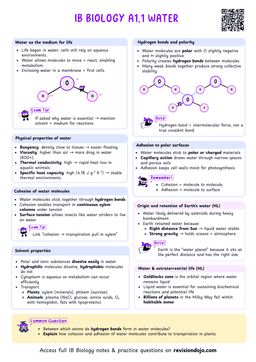
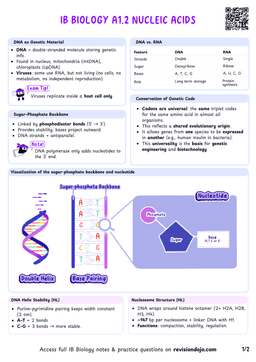
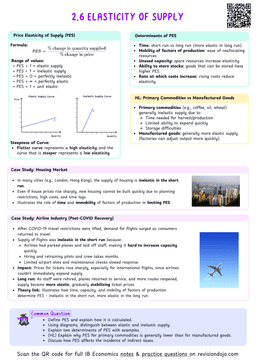
Why Should We Care About EDGE Species?
EDGE species, Evolutionarily Distinct and Globally Endangered, represent some of the rarest and most valuable species on earth.
Hint
These species are on the brink of extinction and, if lost, would take with them a disproportionate amount of Earth's evolutionary history.
What Makes a Species "Evolutionarily Distinct"?
- Some species belong to large families with many close relatives, like cats, dogs, or rodents.
- Others, however, stand alone on ancient evolutionary branches, having evolved independently for millions of years.
Note
- Unlike species with many close relatives, EDGE species often sit alone on ancient evolutionary branches
- This represents lineages that have evolved independently for millions of years.
Key Features of Evolutionary Distinct Species
- Unique Traits: EDGE species often have characteristics found nowhere else in the animal kingdom.
- For example, the axolotl can regenerate entire body parts, a trait with significant scientific value.
- Rare Lineages: Some species represent the sole surviving members of ancient evolutionary branches.
- For instance, the Yangtze giant softshell turtle or the kakapo.
- Vulnerability: Once lost, these lineages cannot be recovered, erasing a unique piece of evolutionary history forever.
What Does It Mean to Be Globally Endangered?
- Global endangerment refers to the high risk of extinction a species faces.
- Factors contributing to this status include:
- Small or Declining Populations: The vaquita porpoise has fewer than 10 individuals left, making it the most endangered marine mammal in the world.
- Restricted Ranges: The pygmy three-toed sloth exists only on one island in Panama, making it highly vulnerable to habitat destruction.
- Human Threats: Habitat loss, climate change, and poaching continue to push EDGE species toward extinction.
Why Focus on EDGE Species?
- Conservation resources are limited, so prioritizing efforts is essential.
- EDGE species:
- Preserve Evolutionary History: Protecting an EDGE species is like saving an entire ancient language, as if lost, an irreplaceable chapter of evolutionary history disappears.
- Maximize Impact: With limited resources, conservation must prioritize species that represent the most unique and threatened lineages, EDGE species fit both criteria.
- Have Ecosystem Roles: Many EDGE species play keystone roles in their ecosystems.
- Hold Scientific Value: EDGE species often possess extraordinary traits that inspire medical and technological advancements.
- Raise Awareness: Some EDGE species, like the pangolin or kakapo, serve as conservation ambassadors, capturing public interest and encouraging global conservation efforts.
Hint
EDGE species represent the most irreplaceable components of biodiversity, making them a critical focus.
Challenges in Conserving EDGE Species
- Data Deficiency: Many EDGE species, especially deep-sea or nocturnal animals, are poorly studied, making it difficult to design conservation plans.
- Limited Resources: Global conservation budgets are stretched thin, and funding often goes to more charismatic species.
- Conflicting Interests: Economic growth often competes with conservation, especially in biodiversity hotspots where habitat destruction is common.
- Human-Centered Bias: Conservation efforts often favor species that are charismatic, useful, or economically valuable, leaving less “appealing” species overlooked.
Note
Conservation programs like the EDGE of Existence Initiative are helping bridge these gaps by prioritizing overlooked species based on their evolutionary uniqueness and threat level.
Examples of EDGE Species
1. Kakapo (Strigops habroptilus)
- Region: New Zealand
- Distinctiveness: A flightless parrot, it is the last surviving species of its genus.
- Threats: Habitat loss and predation by introduced mammals.
- Conservation: Intensive management, including captive breeding and habitat restoration.
2. Axolotl (Ambystoma mexicanum)
- Region: Mexico
- Distinctiveness: Unique regenerative abilities.
- Threats: Urbanization and water pollution.
- Conservation: Captive breeding and habitat restoration in Xochimilco canals.
3. Pygmy Three-Toed Sloth (Bradypus pygmaeus)
- Region: Panama
- Distinctiveness: Found only on Isla Escudo de Veraguas.
- Threats: Habitat destruction from tourism and logging.
- Conservation: Efforts focus on habitat protection and ecotourism management.