Causes of Ecosystem Loss
Ecosystem loss
Ecosystem loss refers to the degradation or destruction of natural systems
- It is primarily driven by human activities, including deforestation, pollution, and climate change.
- It can manifest as:
- Degradation: Reduced ecosystem health (e.g., polluted rivers).
- Destruction: Total conversion to another land use (e.g., a forest replaced by agriculture).
Why Ecosystem Loss Matters
- Healthy ecosystems:
- Provide essential resources like food, water, and medicines.
- Regulate climate through carbon storage and temperature moderation.
- Support cultural, recreational, and spiritual values.
- The loss of ecosystems disrupts these functions, creating cascading environmental, economic, and social consequences.
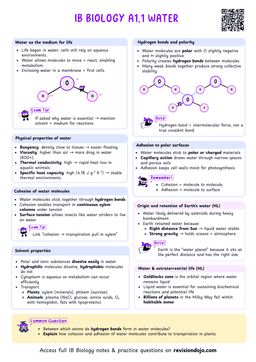
Think of an ecosystem as a woven fabric. Each thread represents a species, a process, or a resource. When one thread is pulled out, the fabric weakens. If enough threads are removed, the entire fabric unravels.
Anthropogenic Causes of Ecosystem Loss
- Human activities are the primary drivers of ecosystem loss.
- These activities can be categorized into several major causes:
1. Land-Use Change
- Agricultural Expansion: Forests, grasslands, and wetlands are cleared to grow crops or raise livestock.
- Urbanization: The rapid growth of cities and infrastructure development has led to widespread destruction of natural habitats.
Tropical rainforests are often replaced by monoculture plantations like oil palm or soy.
2. Overexploitation of Resources
Overharvesting of timber, fuelwood, and animal populations destabilizes ecosystems.
Removing keystone species such as large predators or primary producers can trigger cascading effects throughout the ecosystem.
3. Pollution
Industrial, agricultural, and domestic waste contaminates ecosystems.
Fertilizers can cause eutrophication in aquatic systems, while plastic pollution severely affects marine environments.
4. Climate Change
- Rapid changes in temperature, precipitation, and sea levels disrupt ecosystems.
- Coral reefs, for instance, are highly sensitive to ocean warming and acidification.
5. Introduction of Invasive Species
- Non-native species introduced intentionally or accidentally can outcompete, prey upon, or hybridize with native species, destabilizing ecosystems.
6. Water Diversion and Drainage
- Dams and irrigation projects alter natural water flows, leading to the loss of aquatic ecosystems such as rivers, lakes, and wetlands.
When studying ecosystem loss, consider how human activities amplify natural processes, often accelerating the rate and scale of degradation.
Case Study 1: Loss of Mixed Dipterocarp Forest in Southeast Asia
The Ecosystem
- Mixed dipterocarp forests are rich, biodiverse rainforests dominated by trees from the Dipterocarpaceae family.
- Found in countries like Indonesia, Malaysia, and the Philippines, they are home to orangutans, hornbills, and a vast array of plant species.
Causes of Loss
- Logging: Dipterocarp trees produce valuable timber, making them a target for both legal and illegal logging operations.
- Agricultural Expansion: Nutrient-rich peat soils are cleared for oil palm plantations, replacing diverse forests with monocultures.
- Infrastructure Development: Roads and settlements fragment habitats, leaving them vulnerable to further degradation.
Consequences
- Biodiversity Loss: Endangered species, such as orangutans, lose critical habitats.
- Carbon Emissions: Peatland drainage releases stored carbon, contributing significantly to climate change.
- Flooding and Erosion: Forest loss destabilizes soil and alters water cycles, increasing flood risks.
- In Borneo, only 30% of the original forest cover remains.
- Protected areas such as Lambir Hills National Park serve as critical refuges for biodiversity, but they are increasingly isolated by surrounding agricultural land.
Many students assume that replanting trees can fully restore a degraded forest. However, secondary forests often lack the biodiversity, structure, and ecological complexity of the original ecosystem.
Case Study 2: The Loss of the Aral Sea Ecosystem
The Ecosystem
- Once the fourth-largest lake globally, the Aral Sea between Kazakhstan and Uzbekistan supported diverse aquatic life, fishing industries, and surrounding human communities.
Causes of Loss
- Water Diversion: Rivers feeding the Aral Sea were diverted in the 1960s to irrigate cotton fields, drastically reducing water inflow.
- Salinization: As the water volume decreased, the salinity of the remaining lake increased, killing fish and aquatic plants.
Consequences
- Ecosystem Collapse: All 24 endemic fish species went extinct, along with most other aquatic life.
- Dust Storms: Exposed lakebeds became a source of salt-laden dust, contributing to respiratory diseases in nearby populations.
- Economic Decline: The fishing industry vanished, and agriculture in the region suffered due to increased soil salinity.
What ethical dilemmas arise when balancing agricultural needs with the preservation of ecosystems like the Aral Sea? How might cultural perspectives influence these decisions?
- What are the primary causes of ecosystem loss in your region?
- Can you identify any local efforts to restore these ecosystems?
Why Ecosystem Loss Matters Globally
- Climate Regulation: Forests and oceans act as carbon sinks. Their loss accelerates global warming.
- Food Security: Ecosystems like coral reefs and mangroves support fisheries essential to millions.
- Human Health: Intact ecosystems regulate disease outbreaks and their loss increases exposure to zoonotic diseases (e.g., COVID-19).
- When analyzing ecosystem loss, consider both direct and indirect causes.
- For example, deforestation may be driven by agricultural expansion, which itself is influenced by global food demand and consumption patterns.